Luxury Reimagined: The Durbar Deluxe Experience

Luxury Reimagined: The Durbar Deluxe Experience


Established since 1977 the Yak & Yeti Hotel stands proud as an impressive building in its own right. Well Known for its world class hospitality with its historic architecture, a new contemporary concept is interwoven within its Guestrooms and Suites across all Guest floors.

A New Narrative Language

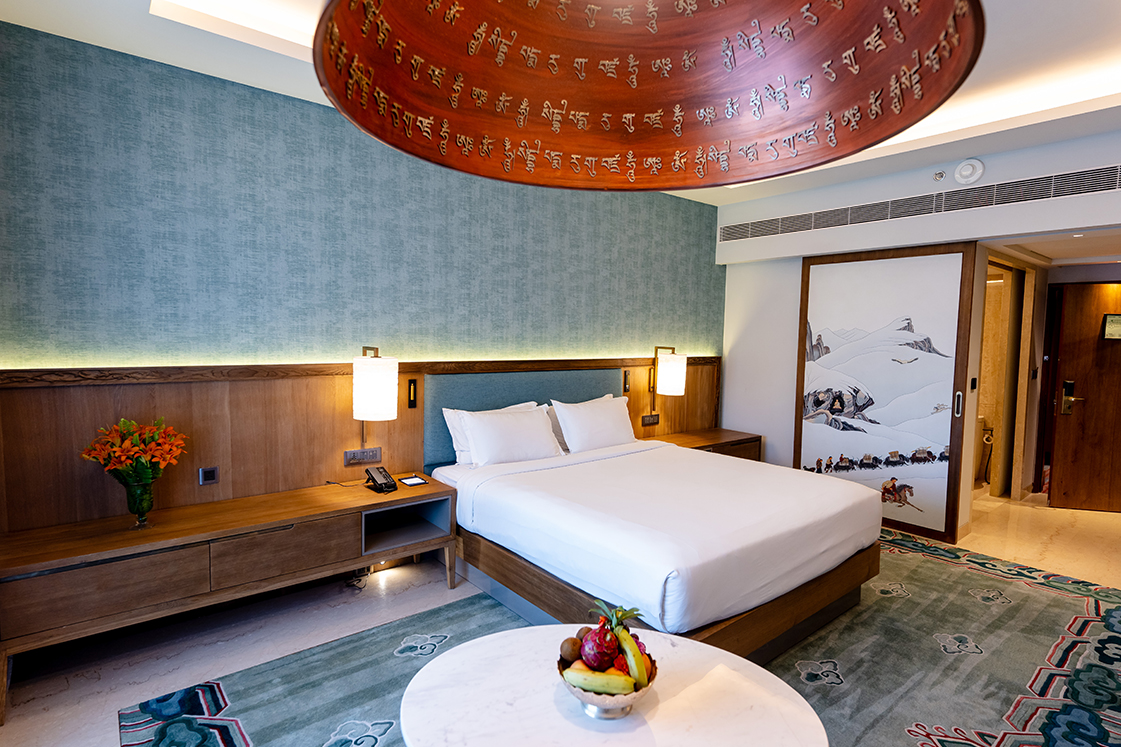
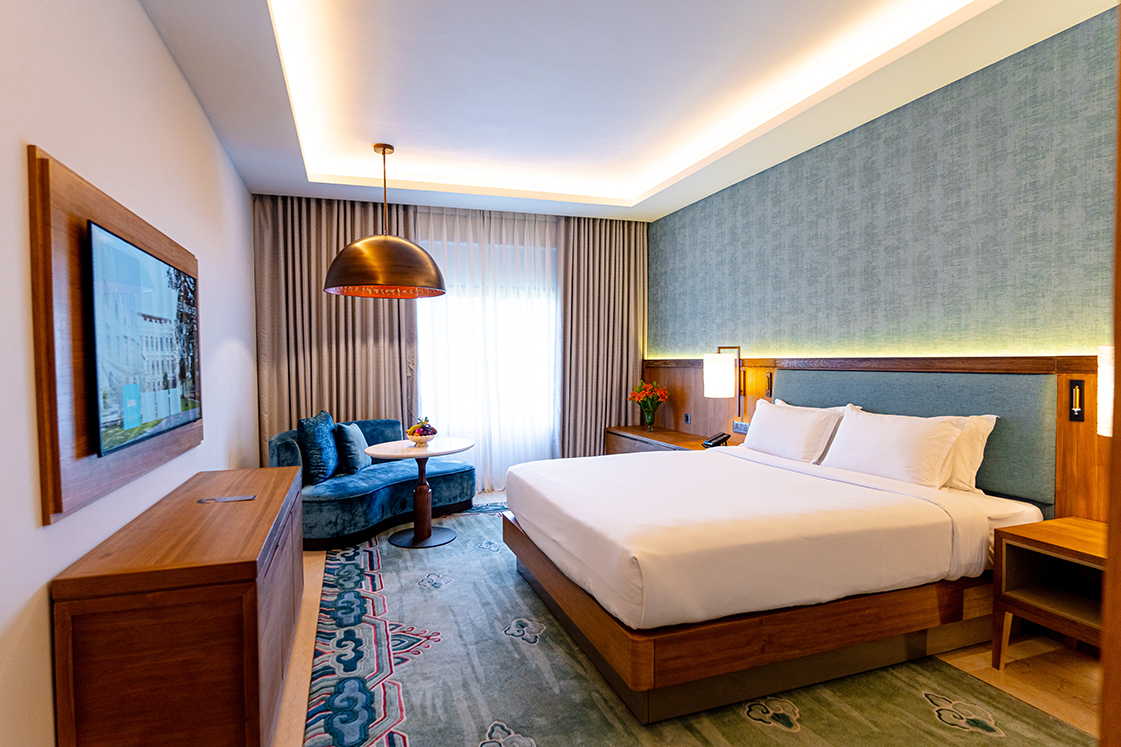
The Durbar Deluxe Room is more than just a guestroom; it’s a journey through Nepal’s rich culture and history. Drawing inspiration from local surroundings, the design team at Michelle Evans and Associates (MEA) has created a unique narrative language that blends global design elements with authentic Nepalese touches. The use of local materials and attention to detail evoke a strong sense of place, inviting guests to immerse themselves in the Nepalese experience.

Art as a Focal Point

The Durbar Deluxe Room is a showcase of local artistry. Commissioned panels by renowned artist Tenzing Norbu Lama depict daily life in the Himalayan mountains, serving as a powerful focal point in the room. These authentic depictions offer guests a glimpse into the lives of Sherpas and Yaks, adding depth and meaning to their stay.

Durbar Deluxe

A Cultural Tapestry

The design of the room is a cultural tapestry, weaving together various elements of Nepalese heritage. MEA worked closely with artisans in bringing locally crafted Tibetan Handmade Rugs along with Metal brass works to the guestrooms. The wooden bed headboard, inspired by Bhaktapur’s rich wood carvings, narrates a sense of luxury in a contemporary design. Bespoke light fixtures inspired by Buddhist prayer wheels add a spiritual touch, while the use of pastel and turquoise hues creates a harmonious and sophisticated atmosphere.

Views of Himalayas

A Blend of Old and New

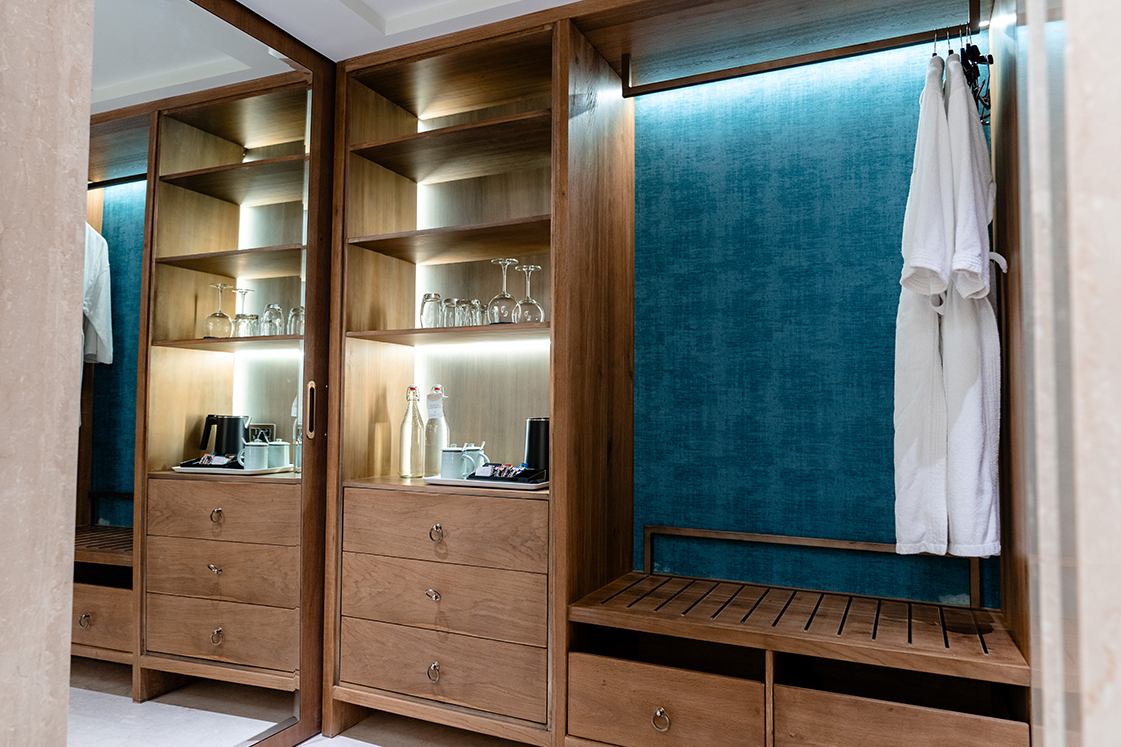
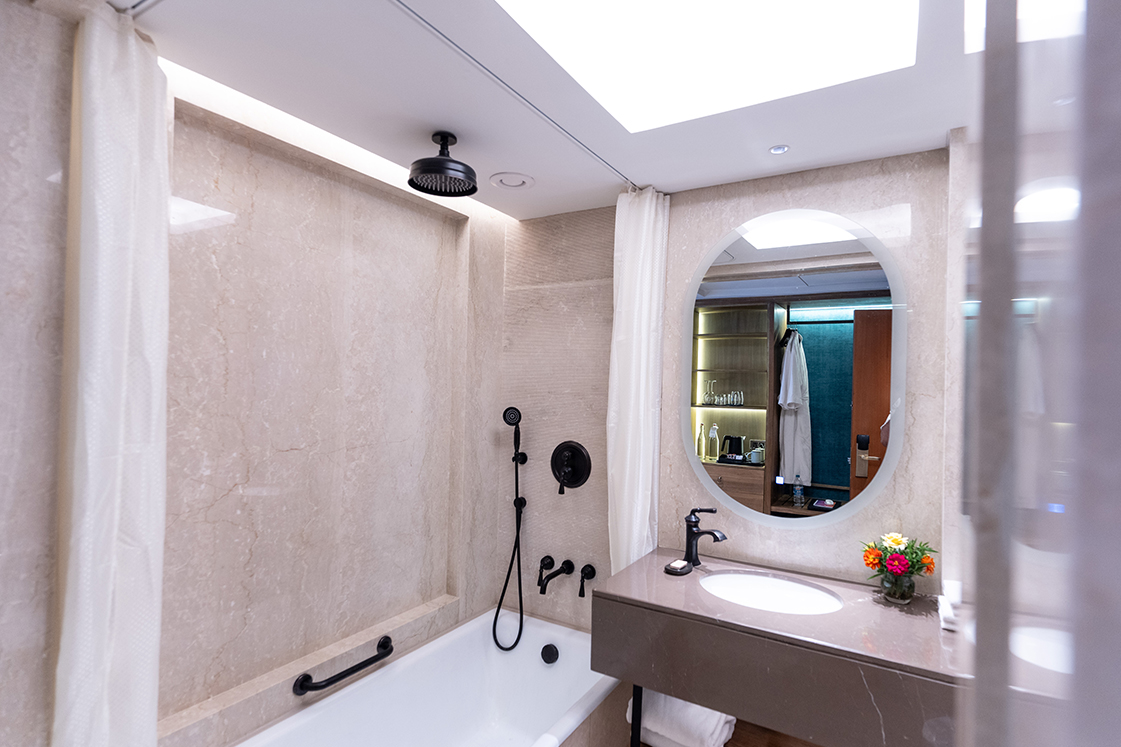
The Durbar Deluxe Room is a harmonious blend of old and new. While preserving the historic essence of the Yak & Yeti experience, the design incorporates modern elements to create a comfortable and luxurious space. The open layout, featuring a sliding panel to the bathroom, and the use of rich materials and finishes contribute to the room’s sophisticated ambiance.

Durbar Deluxe

A Truly Unforgettable Experience

The renovated Durbar Deluxe Room offers guests a truly unforgettable experience. With its stunning design, luxurious amenities, and cultural immersion, it’s the perfect choice for travelers seeking a blend of comfort, elegance, and authenticity.

Durbar Deluxe

Book Your Stay Today

Discover the epitome of luxury at the Durbar Deluxe Room. Your unforgettable escape awaits. Book your stay today. For reservations, please contact us at:
www.yakandyeti.com, reservation@yakandyeti.com.np, 01-4248999

Similar blogs

View all

Continue reading

Top 3 festivals in Kathmandu valley

Top 3 festivals in Kathmandu valley


Hotel Yak & Yeti is a heritage hotel offering sophisticated comfort and elegance and is located in Durbar Marg, the thriving city centre of Kathmandu Valley. Kathmandu Valley lies at the crossroads of ancient civilizations of the Indian subcontinent and the broader Asian continent and has at least 130 important monuments, including several pilgrimage sites for Hindus and Buddhists. there are seven World Heritage Sites within the valley. Kathmandu valley is popular with tourists for its unique architecture, and rich culture that includes the highest number of Jatras (street festivals) in Nepal. Today, we’ll cover the top three Jatras celebrated within the Kathmandu valley. For this, we’ll cover one Jatra from each city within the Kathmandu Valley – Kathmandu, Bhaktapur and Patan.

Views of Himalayas

Indra Jatra

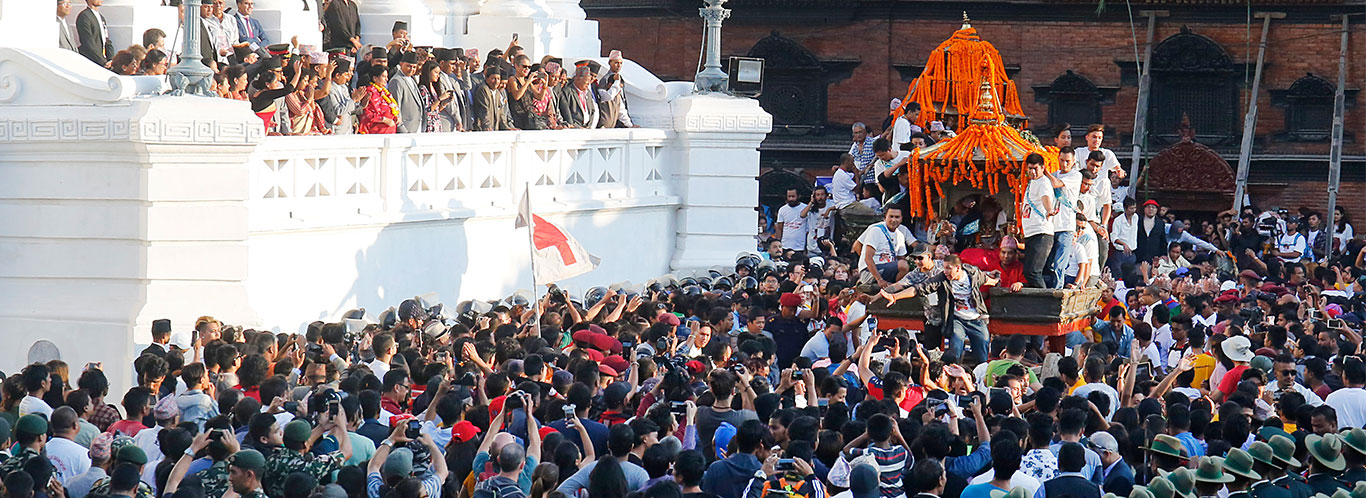
Indra Jatra is the biggest religious street festivals in Kathmandu, Nepal. Indra Jatra is commonly known as Yenyā in Nepal Bhasa where Ye means “Kathmandu” and Ya means “celebration”, together it means “Celebration inside Kathmandu”. Indra Jatra and Kumari Jatra are the two main events of this festival. In Indra Jatra, there are masked dances of deities and demons, displays of sacred images and tableaus in honour of deity Indra, the king of heaven. In Kumari Jatra, there is chariot procession of the living goddess Kumari. The celebrations last for eight days from the 12th day of the bright fortnight to the 4th day of the dark fortnight of Yala, the eleventh month in the lunar Nepal Era calendar.

Though this festival is celebrated throughout the Kathmandu, the main venue for the event is Kathmandu Durbar Square.

The origin of the festival goes back to the 10th century. King Gunamkamadev started Indra Jatra to commemorate the founding of the Kathmandu city. Another event of the festival, Kumari Jatra became part of the festivals in the mid-18th century. According to historians, it was stared in 1756 AD during the reign of Jaya Prakash Malla.

If you want to take part in religious festivals in Nepal, this is the one that you shouldn’t miss.

Views of Himalayas

Bisket Jatra

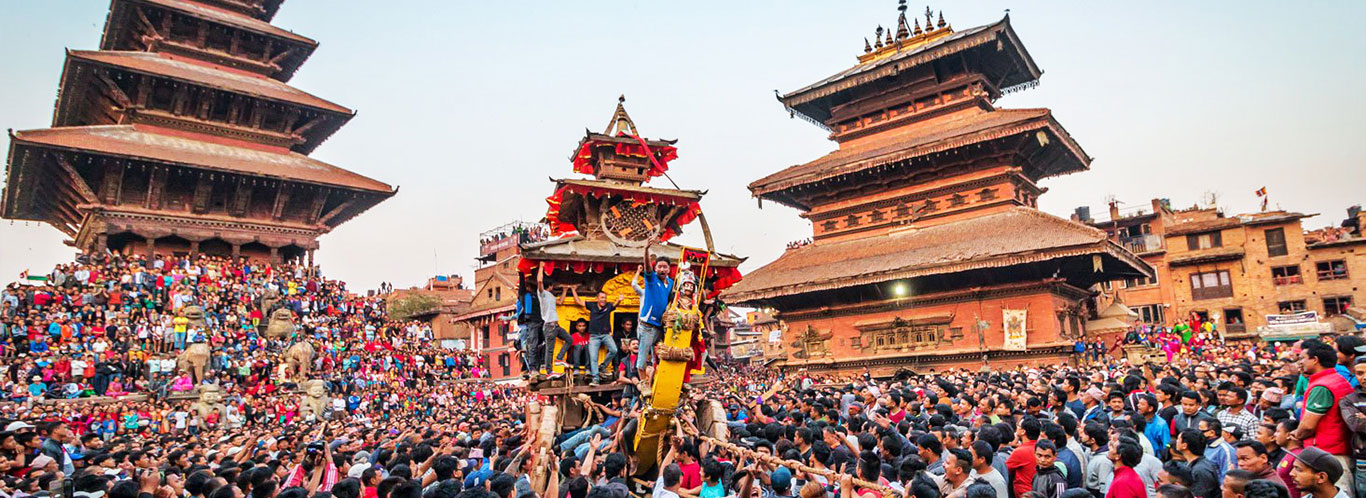
Bisket Jatra is one of the major festivals celebrated in Bhaktapur. The festival is celebrated at the start of the new year on the Bikram Sambat calendar, however, the festival itself is not related to the Bikram Sambat. Though it is celebrated throughout Bhaktapur, the main venue for the event are Bhaktapur Durbar Square and Thimi Balkumari. Hundreds of people pull a chariot carrying a statue of the God Bhairava to the Kholle tole. The chariot itself is assembled near the Nyatapola temple (commonly known as the Five Stair Temple).

The main event in the festival held at Bhaktpur Durbar Square is the tug-of-war between the Thane (upper) and Kone (lower) part of town while Balkumari Thimi hosts a colour festival (Sindhur Jatra). People celebrate and share greetings, throwing simrik colour powder and playing Dhimay music. One notable event happens in Bode, an ancient Newari city lying at the east corner of Kathmandu Valley. Bode witnesses a tongue-piercing ceremony. One resident spends the whole day with an iron spike piercing his tongue and roams the city by carrying multiple fiery torches on his shoulder. Juju Bhai Shrestha is the most renowned tongue piercer in the town.

Views of Himalayas

Rato Machindranath Jatra

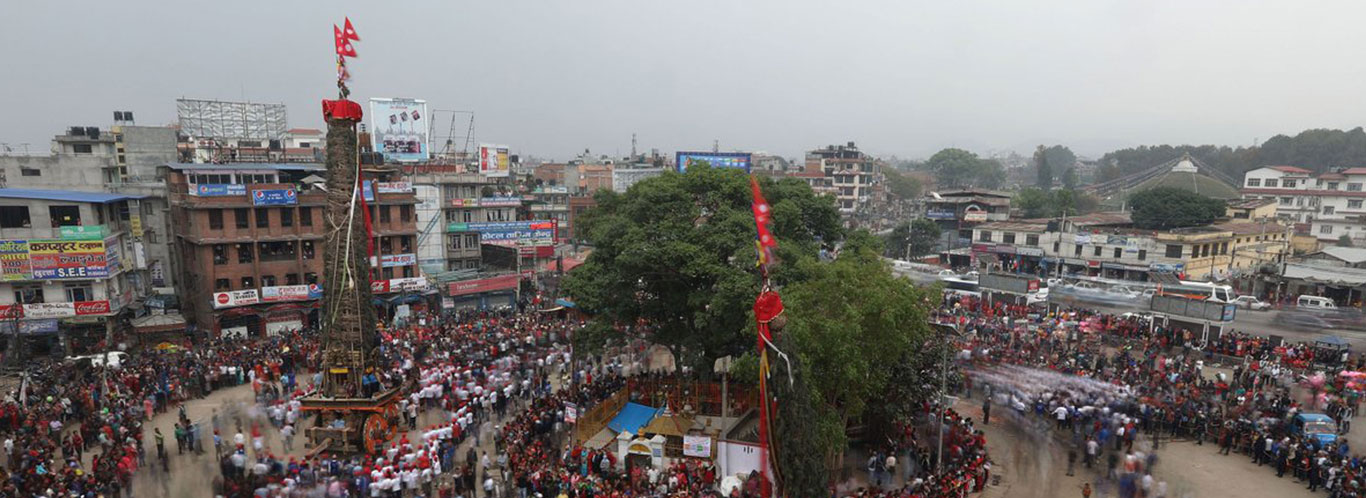
Rato Macchindranath Jatra, also known as Buṅga Dyaḥ Jātrā in Nepal Bhasa, is a chariot procession honouring the Buddhist deity of compassion Avalokitesvara held in Lalitpur, Nepal. It is one of the greatest religious events in the city and the longest chariot festival celebrated in the country. Rato Macchindranath is revered as the giver of rain. The word Rato means colour red in a reference to the colour of the deity’s image. It begins on the 4th day of the bright fortnight of Bachhala, the seventh month in the lunar Nepal Sambat calendar. It was started by King Narendra Dev who reigned during 640-638 AD.

The route of the chariot procession starts at Pulchok and passes through Gabahal, Mangal Bazar, Hakha, Sundhara, Chakrabahil, Lagankhel and ends at Jawalakhel. The festivities conclude with the ceremony of Bhoto Jatra, the display of the Bhoto, a traditional Nepalese vest.

Conclusion

Indra Jatra, Biska Jatra and Rato Machindranath Jatra are the three main religious festivals of the Kathmandu valley. Kathmandu valley itself is an ancient city consisting of three main ancient kingdoms of Kathmandu, Bhaktapur and Patan. The festivals like these are the embodiment of traditions and cultures that have been continued to this day. Hotel Yak & Yeti lies at the heart of Kathmandu, Durbarmarg which makes it easy to take part in the festivals mentioned in this article. Enjoy your stay at Hotel Yak & Yeti.

Similar blogs

View all

Continue reading

Mardi Himal Trek

Mardi Himal Trek


Hotel Yak & Yeti is a heritage hotel located in Durbar Marg, the thriving city center of Kathmandu Valley. Our 5-star deluxe property is 6 KMs away from the Tribhuvan International Airport, about 1 KM from the famous tourist hub of Nepal – Thamel. We are promoting Nepal and her beauty through our blogs. Our blogs highlight various places and activities in Nepal which is worth to visit and experience. Nepal is a beautiful country with so many things to do and see here but most of its places are unexplored. Today, we are introducing you to one of the new trekking routes that starts from the tourism capital as well as the beautiful valley of Nepal, Pokhara.

Views of Himalayas

Overview

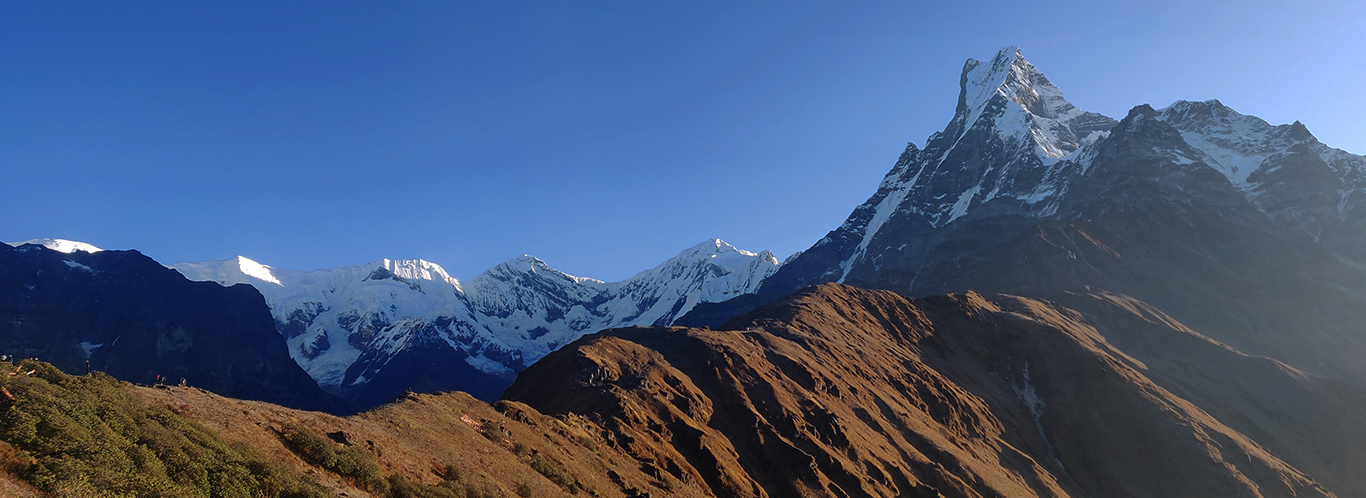
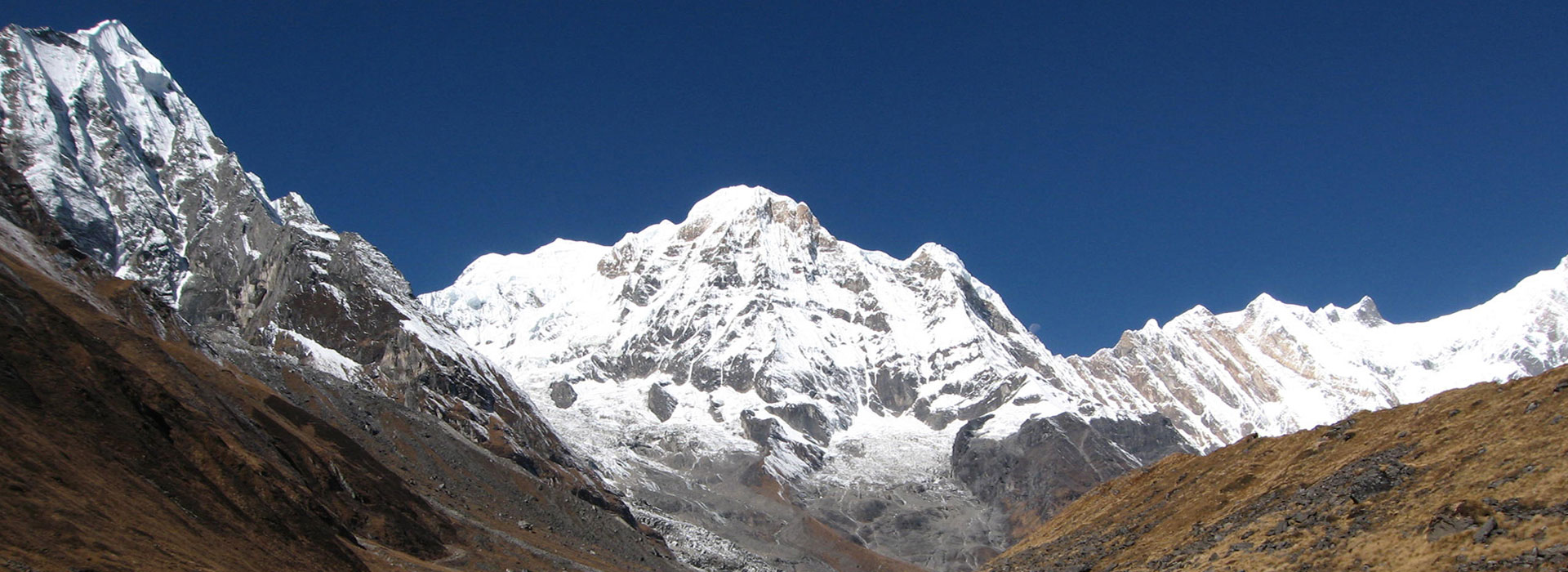
Mardi Himal Trek (Mardi Himal base camp trek) is the newly established trek route in the Annapurna Himalayan range. Though the most popular trekking route in this region is the Annapurna Sanctuary Trek, Mardi Himal trek allows you to experience the Himalayas quicker and in a more thrilling manner.

Short glimpse of the Annapurna Himalayan range

The Annapurna Himalayan range is a massif in the Himalayas in north-central Nepal that includes one peak over 8,000 metres (26,000 ft), thirteen peaks over 7,000 metres (23,000 ft), and sixteen peaks over 6,000 metres (20,000 ft). The massif itself is about 55 kilometres (34 mi) long and is bounded by the Kali Gandaki Gorge on the west, the Marshyangdi River on the north and east, and by Pokhara Valley on the south. The highest peak in the massif is Annapurna I. Annapurna I is the tenth highest mountain in the world at 8,091 metres (26,545 ft.)

Highlights

  • Experience majestic Himalayan peaks of Macchapuchhre (Fishtail), Annapurna South, Hiunchuli, Dhaulagiri and many more.
  • Trail through thick Rhododendron forest.
  • Observe Himalayan floras and faunas.
  • Immerse yourself on traditional Gurung villages and their culture.

At a glance

Trek start point: Pokhara
Trek endpoint: Pokhara
Best season: All year round (esp. September – November)
Highest point: 4,500 metres
Lowest point: 800 metres
Duration: 7 Days/6 Nights

Detailed Itineraries

Day 1: Kathmandu to Pokhara-Dhampus (1650m)

Your first day starts with the Hotel Yak & Yeti. Pokhara is usually 8 hours’ drive from Kathmandu. On the way, you’ll see small market towns, rivers, waterfalls, cable-car route and many more. You have two options after you reached Pokhara. Enjoy your evening at the lakeside. Or, if you want to immerse into the more local culture, we suggest you reach Dhampus, another 1-2 hour taxi ride. Dhampus is a beautiful village that is gradually turning into a tourist destination. Enjoy your evening with views of the peaks Annapurna, Dhaulagiri and Macchapuchhre.

Stay: Guest-houses, hotels

Day 2: Dhampus to Low camp (3210m)

Your trek starts today. After having a good breakfast, you’ll head to the trekking route. Along the way, you’ll pass through small villages of Pothana and Deurali. After Deurali, the trail goes through the thick forest. There is a marking on the tree to help you to be on the right path. In the middle of the forest, there is a place called Forest Camp. You can rest for a few hours here, have lunch and feel refreshed. The last point for the day is Low camp which is a few hours walk from the Forest Camp. Enjoy your evening near the fire & talking with travellers; as there is not much to see. You’re still in the forest as of now.

Stay: Tea-houses

Day 3: Low camp to High camp (3580m)

High Camp is the last settlement area and also your destination for today. After having breakfast, you’ll begin your trek. After walking for 2 hours, you’ll come out of the forest. You’ll see vegetation has been changed. Trees will be rare from this point and lands are covered with shrubs. Your next destination is Badal Danda. Badal Danda has few tea houses, where you can enjoy your lunch, take photos and rest for a few hours. After that, you’ll be heading to the final destination for the day High Camp. If you’re afraid of heights, this 3 hours will be very hard for you as the trail goes through cliffs. Our suggestion – Don’t look down.

Stay: Tea-houses

Day 4: High camp to Mardi Himal base camp (4500m)

Your main task for today is to reach viewpoint before sunrise. You should get up at around 3 AM and start your day. There is about 2-3 hours trek from High Camp to Upper Viewpoint (4200m). This is the point where all your hard work ends. With the sunrise over Annapurna and Macchapuchhre, you are sure to see one of the best sunrises of your life. Most of the trekkers end their trekking from here and return, few of them head towards the Mardi Himal Base Camp. If you wish to reach there, be ready to trek an extra 6 hours up and down. Come back to high camp for the night as there are no teahouses to rest above high camp.

If you end your trek from the upper viewpoint, you can return to High camp for lunch. After lunch, you can descend up to Low camp to stay.

Stay: Tea-houses

Day 5: Mardi Himal base camp to Siding

There are two routes to get back to Pokhara. One is returning from the same route or return via the Siding village. Siding is a village that lies at the end of the forest. From Siding, you can hire a jeep to Pokhara. If you wish to return via Siding, it usually takes 3 hours to reach Siding from Lower Camp. Pokhara is about 4 hrs drive from Siding. You can either get back to Pokhara on the same day or you can rest in Siding and head back to Pokhara the very next day.

Stay: Guest House or Hotel

Day 6: Siding to Pokhara

Pokhara is about 4 hrs drive from Siding. Once you get to the Pokhara, there are many things to explore. Pokhara is a very beautiful valley and is often regarded as the tourist capital of the country. Visit lakeside, Begnas lake, caves, stupas, etc.

Stay: Guest House or Hotel

Day 7: Pokhara to Kathmandu

This is the final day. You’ll head back to Kathmandu and your luxurious destination of Hotel Yak and Yeti.

Conclusion

Hotel Yak & Yeti is not only the luxurious heritage 5-star hotel in Kathmandu; it is the hotel that lies in the prime location of Kathmandu. There are many things near and around the hotel. You can even go for the trekking to the Himalayas. One such great destination is Mardi Himal Base Camp Trek. Mardi Himal Base Camp Trek is one of the shortest treks in the Annapurna region. You’ll be in the Himalayas within 3 to 4 days from Kathmandu. Our prepared itineraries will be helpful for you to charter your journey. For the gears and clothes you’ll need for your journey, we have created an article – Top 10 things needed for a mountain trek. Enjoy your stay in Hotel Yak & Yeti.

Similar blogs

View all

Continue reading

Gosainkunda Trek

Gosainkunda Trek


Hotel Yak & Yeti is a luxury 5-star hotel in the heart of Kathmandu offering sophisticated comfort and elegance in grounds steeped in history. Nepal is a beautiful country with so many things to do and see here but most of its places are unexplored. We are promoting Nepal and her beauty through our blogs. Our blogs highlight various places and activities in Nepal which is worth to visit and experience. We will travel to the high Himalayan Lake situated in Langtang region this time. Langtang region is the third most visited region in Nepal after Everest and Annapurna region.

Views of Himalayas

Overview

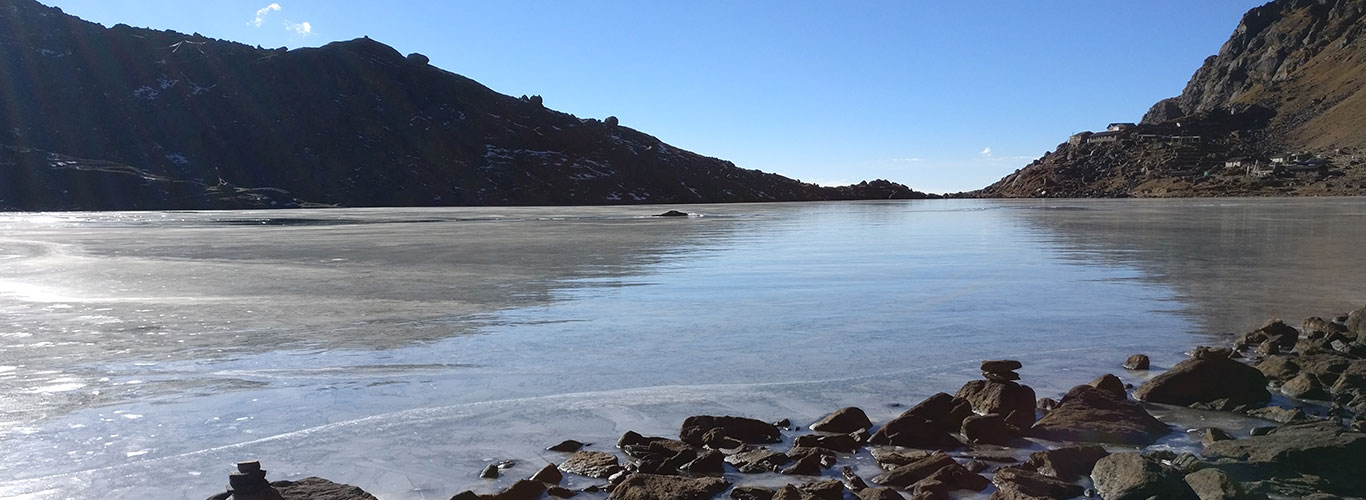
Gosaikunda also spelt Gosainkunda and Gosain Kunda is an alpine freshwater lake in Nepal’s Langtang National Park, located at an elevation of 4,380m (14,370 ft) in the Rasuwa District. There are about 108 lakes in the vicinity. The lake is the main water source for Trishuli River. It has some of the characteristics to become a first Himalayan trekking experience for the beginners. It is near to Kathmandu and trekking can be started the very next day. The whole trek can be spent within 5 days or can be combined with Langtang Valley Trek for a long trek. Basic accommodation is easily available. The trek path is well marked. The trek to Gosainkunda can be started from the district headquarters of Rasuwa – Dhunche or from the village of Syabru Besi or from Sundarijal in the Kathmandu valley.

Religious Significance

Hindus regard this place as a religious site. The lake of Gosainkunda has been described in Bhagavata Purana, Vishnu Purana, and the epics Ramayana and Mahabharata. It is believed to be created by Lord Shiva when he thrust his Trishul (holy Trident) into Mountain to extract water so that he could cool his stinging throat after he had swallowed poison. According to Hindu mythology, Gosainkunda is the abode of Hindu deities Shiva and Parbati.

Highlights

  • Majestic views of Himalayan Mountains of Langtang, Ganesh Himal & many more
  • The beautiful collection of high Himalayan lakes
  • Himalayan floras & faunas
  • Tamang villages and their local traditions

At a glance

Journey start point: Kathmandu
Trek start point: Dhunche
Trek endpoint: Dhunche
Journey endpoint: Kathmandu
Difficulty level: Moderate Trekking
Max. Height: 4380m (14,370 ft)
Duration: 7 Days/6 NightsBest season: All year round (Best: September – November)
Duration: 5 Days/4 Nights

Itineraries

Day 1: Kathmandu – Dhunche

The journey starts from the hotel Yak & Yeti, Kathmandu. It is about a whole day bus ride to Dhunche. It is better to start the journey as early as possible. Dhunche is a beautiful town & districts headquarter of the Himalayan district of Rasuwa situated at an elevation of 2,030m (6,660 ft). The evening can be spent strolling the town and eating delicious dishes.

Stay: Hotel or Guesthouses.

Day 2: Dhunche – Chandanbari (Sing-Gompa)

Trek starts from today. The trek from Dhunche to Chandabari is a steeply ascending trail. There are tea-houses between every hour range. It is possible to reach Chandanbari at around 6-7 hours of trekking. It is advisable to have breakfast at Dhunche and lunch at somewhere between the trek. Chandanbari or Sing-Gompa is a small village situated at around 3250m (10,663 ft). It is very much recommended to stay here for the night as altitude sickness is a real thing in the Himalayas and body needs to get adapted with decreasing oxygen level. Visit local Dairy, Gompas and majestic Himalayan views are the things that shouldn’t be missed.

Stay: Guesthouse or tea-houses

Day 3: Chandanbari – Gosainkunda Lake

The trek starts after good breakfast. The trail is similar to the day before – mostly uphill climb. On the way, there are spectacular scenes of mountains that lie near and around the trek path. The famous mountains like Langtang and Ganesh Himal are very close to the trail. There is numerous waterfall on the way. The next stop for the lunch is Lauribina. Lauribina is a small village situated at an altitude of around 3700m. Gosainkunda is about 3-4 hours trek from here. After 1 hour of steep ascending, the trail starts to be easy. The first one to see on the trail is Saraswati Kunda. Saraswati Kunda is a very small pond. The second one is Bhairabh Kunda. Bhairabh Kunda is quite larger than Saraswati Kunda and can be considered as a small lake. The last one of the three and trekking objective is the holy lake of Gosainkunda, situated at 4,380m (14,370 ft). The lake remains frozen in winter October to June.

Stay: Tea-houses

Day 4: Gosainkunda Lake – Dhunche

Visit the surrounding area and take some photographs in early sunrise. The path to Dhunche is very easy compared to climbing up so Dhunche can be reached after 5-6 hours of descending. Buy bus tickets for the next day. For the rest of the evening, visit the local community.

Stay: Hotel or Guesthouses.

Day 5: Dhunche – Kathmandu

Arrive Kathmandu in the evening. Relax at the Hotel Yak & Yeti.
Conclusion

Gosainkunda Trek is one of the best & short treks in the Nepal Himalayas. The trek can be done within 5 days. Due to this, it is highly recommended to the time-constrained travellers who are staying at the hotel Yak & Yeti. The prime location of Hotel Yak & Yeti is not only suitable for city tourist but also equally helpful for trekkers too. For more information on things that are needed for trekking in Nepal, please check our dedicate blog post on top 10 things needed for a mountain trek. Enjoy your stay at Hotel Yak & Yeti.
Similar blogs

View all

Continue reading

Rainy Days in Kathmandu

Rainy Days in Kathmandu


Many might think that a rainy day and a good travel experience are in no way synonymous with each other albeit trust me you can still have a whole lot of fun even when the sky is a dirty blue and the churlish clouds are spiting down enormous globules of raindrops. Pack your rain gear and get exploring the following places in a rainy day at Kathmandu:

  • Syambhunath Temple, Kathmandu

    National Museum

  • Rupa Lake, Pokhara

    Patan Museum

  • Siddha Cave, Tanahu

    Narayanhiti Museum

Hop by a museum

What better way to keep yourself from getting soaked and increasing your knowledge about Nepali history and art than to visit a museum. Kathmandu has a plentitude of museums you can choose from all of which will make you more acquainted with Nepali culture and way of life. Here is a concise list of museums you can have an enjoyable visit to:

National Museum

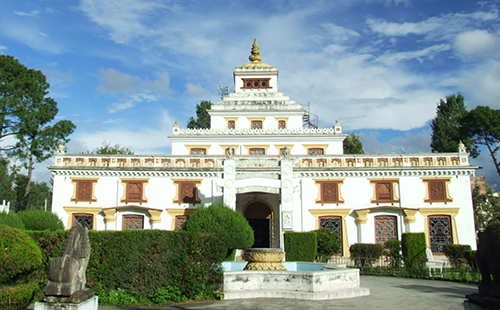
Formally named in the year 1967, the national museum is not only the oldest museum of Nepal but also a historical symbol for all Nepalese. This museum was initially used as a repository and held private weapons of the Royal Family and the Rana prime ministers. The museum consists of three main foundations- the historical gallery, the art gallery, and the Buddha art gallery. All three buildings are unique in design and form; the first closely exemplifies French architecture and the latter two represent Buddhist culture and heritage.

Patan Museum

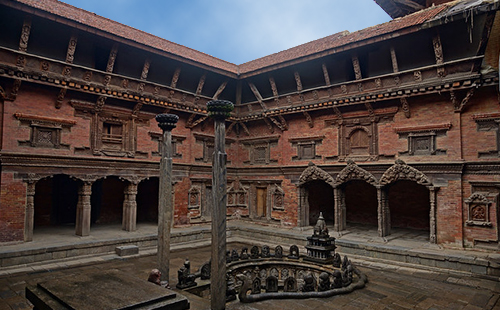
Housed in the medieval courtyard of Patan Durbar, the Patan museum holds some of Nepal’s most priceless and antique artifacts. Here, one can see the varied collection of antiquities uniquely laid out in rooms made out of brick and timber.

Do not forget to climb up to the top floor as it holds a remarkable picture-collection, depicting the 19th century Patan. The Patan museum hence provides a splendid opportunity to acquire profound knowledge about Nepalese Architecture and discern an array of age-old Nepali artifacts.

Narayanhiti Palace Museum

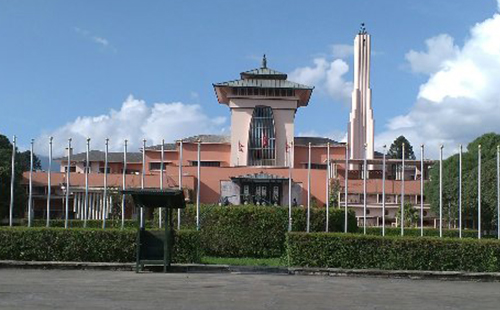
Pondering about where and how the Nepalese royalty lived? Pay a visit to the Narayanhiti Palace Museum, which is just a four-minute walk from Hotel Yak and Yeti. The palace consists of 52 rooms (each of which are cleverly named after the districts of Nepal), albeit only 19 are open for the public eye. One cannot deny that this museum visit is going be somewhat of an eerie experience -thanks to murder conspiracies based on The Royal Massacre or the walls with conspicuous bullet holes which serve as their morbid testimony.

Indulge in delectable culinary delights

Travelling is and should be composed of exploring new landscapes and cultural heritages. However, lazing your day enjoying ambrosial food while listening to the calming sounds of the rain is a totally underrated travel experience; especially when the weather outside is foul. The Chimney and Spice Room are two exquisite and exclusive eateries inside Yak and Yeti both ever ready to fulfill your food cravings. The former is the perfect fusion of contemporary and traditional when it comes to both the ambiance and the food. From scrumptious entrees to mouthwatering deserts, The Chimney offers you a plethora of appetizing food.

Set in the midst of a peaceful garden, the latter is as an exemplar of a chic fine dine. It is the perfect eatery for indulging in flavorful Indian kebabs and curries prepared using the finest spices and herbs. Whether you choose to relish authentic samosas and chats or immerse in the world of Indian frozen treats, The Spice Room will not disappoint you. Ergo here, you can sit with your favorite paperback beside one of the big glass windows overlooking the garden and watch the rainfall ,all while enjoying a plate of your desired comfort food.

Get active and get those calories burning

You might be tempted to spend the day sleeping to the soothing sound of the rain but a rainy day is a great time to hop into exercise mode only because the atmosphere is cool and calming. There are plenty of futsal fields and some squash courts around Kathmandu and Lalitpur where you can enjoy a quick game and sweat some calories out. Besides you can also go wall climbing in Thamel as it is a great way to stretch your muscles and increase your flexibility. Hotel Yak and Yeti too has an impressive fitness facility , along with a clay tennis court and swimming pool, open to all guests. The fitness center is accoutered with modern equipment and weights, providing you with an opportunity to have a satisfying workout session. What’s even more enticing is that you can give yourself a spa treat after an intense workout as Yak and Yeti’s sumptuous spa offers relaxing herbal steams and rejuvenating massages.

Next time you see dark swollen clouds ready to shower the valley with rain do not feel disappointed or let down as you will still get to explore, learn, and have an indelible time. However, you must carry a breathable rain gear along with quality waterproof footwear in order to have a happy, yet safe travel experience.

Similar blogs

View all

Continue reading

Dream Now Travel Later

Dream Now Travel Later


You might be feeling disappointed, disheartened, and severely vexed as a result of not being able to fulfill your everlasting travel goal of visiting our small yet magical country; Nepal. However, shrug away the sadness and start making travel plans for the next year; the pandemic might cancel your trips for now but you will surely get to resume your travel dreams sooner than you think. Hence the following are some surreal places in Nepal you must plan to visit after the pandemic subsides

  • Syambhunath Temple, Kathmandu

    Swaymbunath Temple

  • Rupa Lake, Pokhara

    The Rupa Taal

  • Siddha Cave, Tanahu

    The Siddha Gufa

Swaymbunath Temple

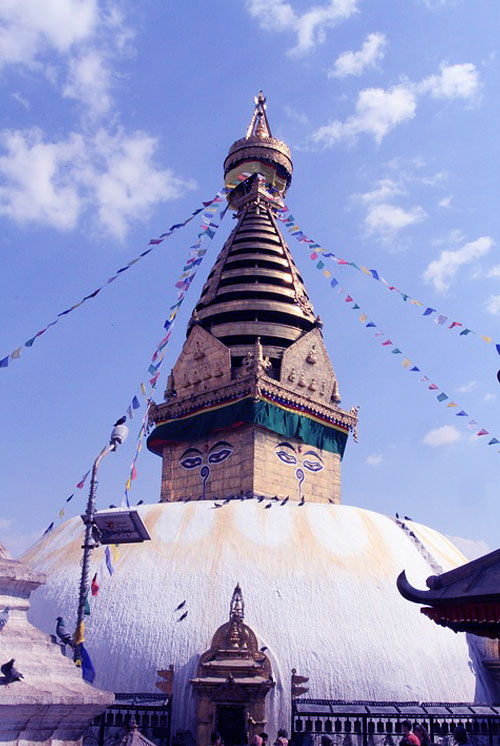
Widely known as the monkey temple due to its notorious monkey inhabitants the Swaymbunath temple should definitely be at the top of your “places to visit in Nepal” list. This majestic stupa is the oldest of its kind and is a religious hub for both Hindus and Buddhists. The Sleeping Buddha and the Dewa Dhawa Monastery are two holy structures you must not miss to discern in Swaymbunath. With all honesty, you will experience an overwhelming amount of inner peace and contentment after a visit to this inimitable stupa.

The Rupa Taal

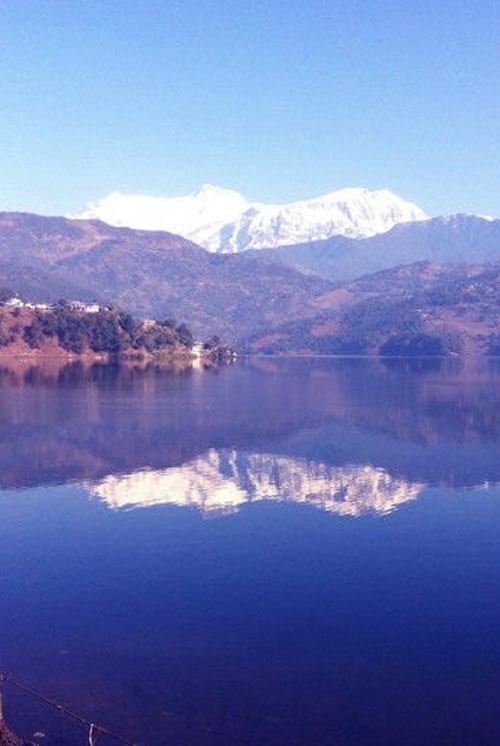
Away from the hustle-bustle of the valley the Rupa Taal is a picturesque freshwater lake in the fascinating city of Pokhara. It will undoubtedly charm you in all ways possible and will compel you to appreciate nature at one of its purest forms. Nature enthusiast or not, the soothingly tranquil atmosphere of the Rupa Taal will certainly make you blissful.

The Siddha Gufa

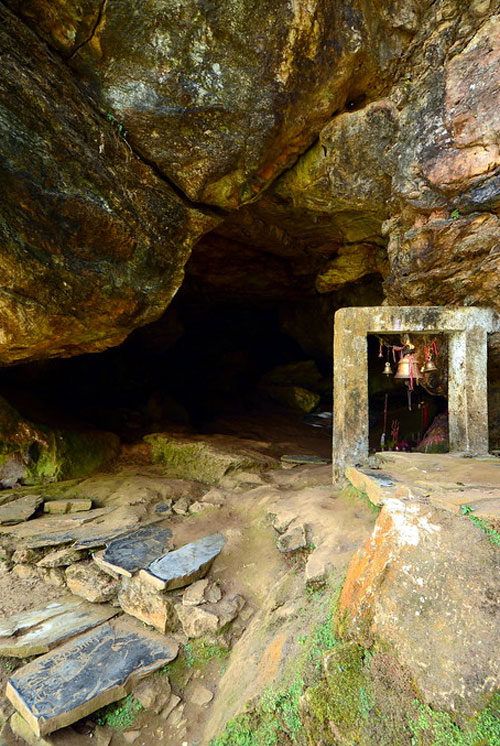
Nepal is home to a plentitude of caves and enigmatic underground crevasses. The Siddha Gufa is one of such caves nestled in the cozy village of Bandipur. You can turn on explorer’s mode and decide to trek to the gufa while enjoying the homely atmosphere of the Newari village. Whether it’s because of the bat covered insides or the eerie darkness this visit to Nepal’s largest cave is surely going to be electrifying.

Helambu, Sindhuapalchowk

Helambu

Named after the indigenous Hoylmo people; the original residents of the village, Helambu lies in the beautiful highlands of Sindupalchowk district. Once you are in Helambu you will be unable to take your eyes off the calming views of the Rolwaling range, Langtang Himal and Ganesh Himal. The breathtaking views of Nepal’s colossal mountains, the amiable and welcoming locals, and the beauteous Buddhist villages make Helambu a destination you don’t want to miss!

The Phulchowki Hill Station

The Phulchowki hill station is good news for people who relish bird watching and getting lost amidst greenery and serenity. The trek to the hill station might be a tiny bit exhausting for some, albeit all the effort is going to seem worthwhile once you see the striking views of the entire Kathmandu Valley along with, those of the Annapurna range and Mount Gaurishankar. We hence suggest you squeeze this destination on your travel list if you haven’t.

Ilam

What better way to experience Nepali tea culture in its finest form than to visit the “Queen of Hills”- Ilam. An eye-pleasing combination of endless verdant tea bushes, the cerulean sky, and a soothing cool climate, Ilam is the perfect hideaway from the bustling city life. While in Ilam you can sip in a delicious cup of “chiya” while immersing yourself in the spectacular view of the sunset offered by the Antu Danda, laze your day off wandering around the Ilam bazaar or enjoy a tranquil picnic with your loved ones at one of the many tea gardens; the options are exciting and endless.

Bardia National Park

Located in far western Nepal, the Bardia National Park is a true gem for both nature and animal lovers. Its lush grasslands are home to 642 faunal species and 839 species of flora. Visitors hence have an opportunity to spot a wide range of animals from majestic wild elephants to fierce Bengal tigers. You can choose to take a flight or a bus to Bardiya or can do white water rafting along the Karnali River (which ends near Bardiya) if you are up for some adrenaline rush.

Poon Hill

If you aren’t a big fan of long tiring treks, albeit still enjoy gazing at unsurpassed views of mountains and hillocks the short trek to Poon Hill is ideal for you. This three-day trek is primarily a prelude to what a longer Nepali mountain trek feels like. Along the way to poon hill you will be passing through peaceful idyllic villages while getting to take glimpses at the unique cultures of the local Gurung and Magar communities. Once at the top, get ready to be greeted by more panoramic views of The Dhaulagiri, Nilgiri, Machhapuchhare, Annapurna II and Lamjung mountains.

Kopan Monastery

North to the ancient Buddhist town of Boudhanath, vis-à-vis to a holy Bodhi tree is the inimitable Kopan Monastery. This monastery provides a great opportunity for individuals who want to learn more about the principles of Buddhism and the way of life in a classic Buddhist monastery. The clean air, serene atmosphere, and unparalleled views of the valley below make this place a good meditation spot too.

Nepal is home to an infinite number of incomparable travel gems. Be it lush green national parks, age old ancient temples or peaceful lakes and tea gardens; there are endless places to discover and decipher. Ergo, be hopeful, and never let go of your travel dreams!! Dream now, travel later.

Similar blogs

View all

Continue reading

Trekking To The Base of Mount Everest

Trekking To The Base of Mount Everest


As one of the most popular treks in Nepal, the 16 day Everest base camp trek is often on the top 10 list of travel magazines. This journey gives you a chance to savor many marvelous Himalayas and provides the time to unwind & reflect, and investigate the flora and fauna around you…

View from Everest Base Camp

Day 1: Lukla to Phakding (3 Hrs)

The 16 days long journey begins with a short, adventurous flight to Lukla and again with a 3-hour flight to Phakding. The trekkers embark on with a 40-minute hike to Phakding, which is partly downhill, to the village of Cheplung. Phakding (2610m) is well accommodated with restaurants, lounge, and bars. A few of the famous lounges in Phakding are Buddha lodge, reggae bar, etc. There are also short excursions that help acclimatize.

Day 2: Phakding to Namche Bazaar (5 ½ Hrs)

The day starts with a 5,1/2 hour trek from Phakding to Namche Bazaar, the trail goes along the Dudh Kosi valley towards the north and rewards you with a great view of Thamserku. After the checkpoint at Chumoa is reached, you will need to follow a trail through rhododendron and magnolia forest, which will lead you to Monjo. After Monjo, you enter the Sagarmatha National Park where park fees need to be paid and from where you need to reach Jorsale. Jorsale is a steep climb through a pine forest to reach Namche Bazaar, Namche bazaar feels like a small town with cyber cafes and everything from batteries to trekking gear available.

Day 3: Namche

Extremely necessary to halt an extra day at Namche for acclimatization.

Day 4: To Tengboche (4 Hrs)

Start the day with a 4 hour trek to Tengboche. The route via Syangboche and Khumjung is suggested and a visit to the famous Tengboche Monastery is worthwhile with great views of Ama Dablam from Tenboche (3870m).

Day 5: Tengboche

Another day to be spent acclimatizing in and around Tengboche.

Day 6: To Pheriche (3 ½ Hrs)

Set off to a 3 ½ hr trek to Pheriche, where you will walk past Debuche and reach Pangboche amidst arid landscape. Cross the Khumbu Khola to reach Pheriche (4240 m) in the wide valley of this river where the health center of the Himalayan Rescue Association is there to help trekkers and climbers.

Day 7: Pheriche

One more day in Pheriche for acclimatization with side trips to Chhukung or Island Peak Base camp.

Day 8: Pheriche to Dughla (4620m)

From Pheriche as you walk along the valley floors , you’ll reach Dugha(4620m) in just 2hrs. Only early birds to reach get beds since accommodation is limited.

Day 9: To Lobuche (2 ½ Hrs)

the trail climbs up the moraine of the Khumbu glacier. As the large Pumaori peak looms, you come across memorials for famous mountaineers. A halt here is a must because of altitude as Lobuche is 4930m.

Day 10: Lobuche to Gorak Shep (2 ½ Hrs)

It will take 2 ½ hr to reach Gorak shep from Lobuche. The climb is difficult as one strongly feels the effects of high altitude and one may experience altitude sickness. After traversing a moraine Gorak Shep (5160m) is reached at the foot of Kala Pathar.

Day 11: To Base Camp (6 Hrs return)

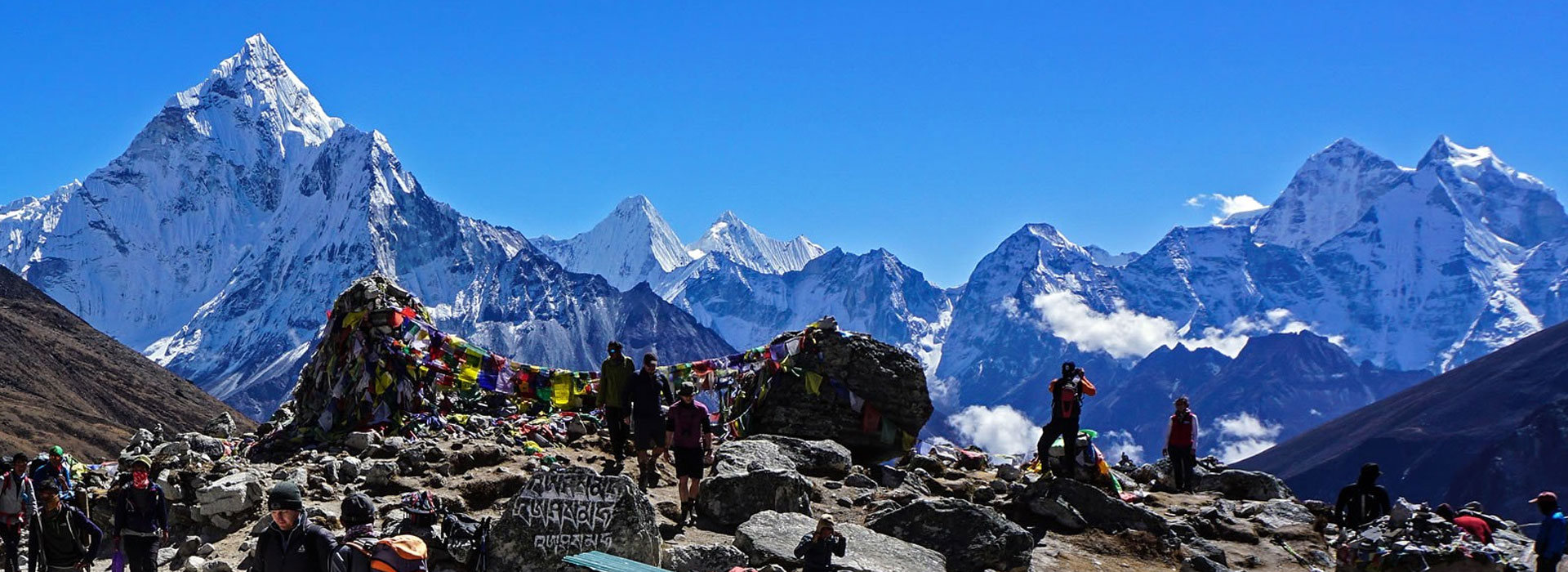
It’s a tough hike to Everest Base Camp (5340m) over the Khumbu Glacier which is a moving surface and ever changing path. During climbing season the base camp is full of colorful tents but otherwise, there is nothing to see here and even Everest is not visible. For a fascinating, panoramic view of Everest and other prominent peaks, go to Kala Pathar (5545m) as a side trip.

Day 12: Back to Lobuche (2 Hrs)

Head back from Gorak Shep the same way you climbed up but going downhill is a breeze and you can easily reach Lobuche in 2 hours, so start early after lunch.

Day 13: Lobuche to Pheriche/Dingboche (3 Hrs)

You might want a change of scene and stay at Dingboche.

Day 14: To Tengboche (2 ½ Hrs)

Descend along the Imja Valley and drop down to the Imja Khola to reach Tengboche.

Day 15: Phunki Thenga

Climb down to Phunki Thenga and climb a ridge to reach Namche Bazaar.

Day 16: Namche to Lukla (6 Hrs)

At the end of your trek, it’s a hard descend to Dudh Kosi. Be at Lukla by 3pm to confirm your flight back to Kathmandu.

Similar blogs

View all

Continue reading

Manakamana Temple

Manakamana Temple, The Wish Fulfilling Goddess


The Manakamana Temple is situated in Gorkha district of Nepal. It is a sacred place of Hindu Goddess Bhagwati, an incarnation of Parvati. The name Manakamana originates from two words, “mana” which means heart and “kamana” which means wish. It is believed that if anyone makes a wish by their heart here then their wish will be fulfilled.

View from Everest Base Camp

The temple is approximately 140km from Kathmandu. It is 12km south from Gorkha town and 1302m above the sea level. The Manaslu – Himachali and Annapurna ranges can be viewed to the north of the temple. There are river valleys of Trisuli in the south and Marsyangdi in the west.

Manakamana as explained by ancient history on 17th century is a reincarnation of the then queen of Gorkha. The queen possessed divine powers-a fact known only to Lakhan Thapa, her devotee. One day, when the king discovered that the queen was a Goddess, he suddenly died. It is said that a farmer found a stone while digging his field from which milk and blood is said to have poured into the ground. The flow ceased when Lakhan Thapa worshipped the stone with tantric rituals. The site became the foundation of the present-day shrine. According to the tradition, the priest at the temple must be a descendent of Lakhan Thapa.

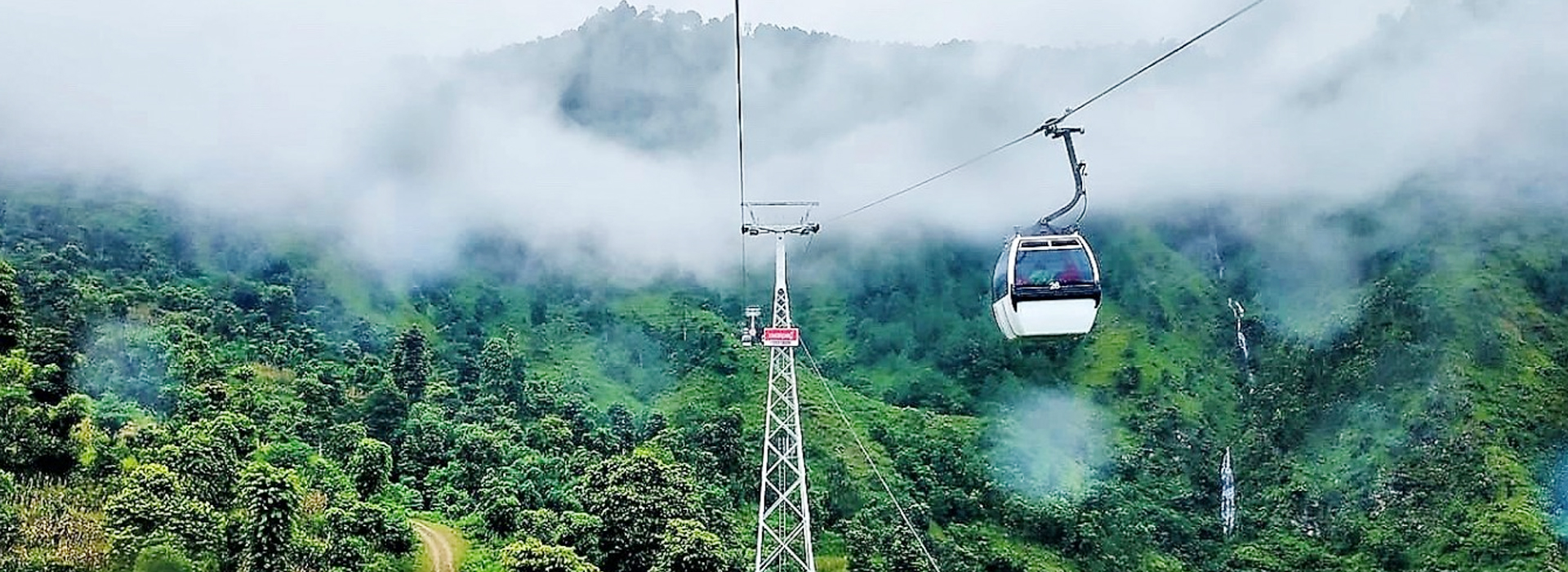
Renovated many times, the Manakamana Temple has a four-tiered pagoda style roof with the entrance facing southwest. The priest performs daily prayers and rituals behind closed doors before allowing the public to enter. Manakamana Devi is widely believed to bless her devotees by fulfilling their wishes. There are two alternatives for reaching the Manakamana Temple i.e. by cable car or by foot. The cable car rides over the distance of 2.8 kilometers for about 10 minutes. The cable car operates during the daytime from 9am to 5pm. Installed by an Austrian company, the Manakamana Cable Car has been operating since November 1998. There are 34 cable cars, among them 31 are for the passengers and 3 for the cargo. Each cable car has the capacity to carry 6 persons at a time. The system has a capacity of handling 600 persons per hour. The cable car technology has benefitted people a lot.

Every year large number of visitors visit the temple. There are many reasons for visiting this temple, many married couples come here to worship for their long life together, students for their success in their studies, businessman for their success in their business and so on. It has become the best spot for trek lovers. Many people also come here to experience the cable car ride. The view seen from the cable car is breathtaking. It has become one of the famous tourist destinations of Nepal. Though it is easily reached by cable cars, hiking route to Manakamana Temple is beautiful and charming. It is about 4hours hike. Orange field, forests, local villages and view of Trisuli river makes hiking route fun and interesting. We can also enjoy spectacular views of green hills and valleys, terraced fields as well as the Manaslu – Himachali and the Annapurna ranges around the temple area.

Visit to Manakamana Temple gives us an opportunity to know more about religious importance of Nepal. We can find many national and international tourists here. Surrounding the temple there are many local types of restaurants that provide typical Nepali meals. There are restaurants at the base of cable car that provide western foods as well. There are plenty of typical gifts shops around. Definitely visiting Manakamana Temple is a worthy experience.

Similar blogs

View all

Continue reading

Annapurna Sanctuary Trek

Annapurna Sanctuary Trek (10 Days)
Reccommended: Ocober to November OR March to April


Annapurna view from Annapurna Base Camp

Day 1: Phedi to Tolka (5-6 Hrs)

Drive from Pokhara to Phedi. The trek begins with a straight climb up from Phedi along stone steps. Great views of mountains from Dhampus on a ridge. Exceptional view of Machhapuchhare (Fishtail Mountain) from Pothana. Overnight at Tolka (1790m).

Day 2: To Chhomrung (5-6 Hrs)

Landruk, a Gurung village is on the way. Further up is Ghandruk and Chhomrung (2210m) with several lodges to choose from.

Day 3: To Bamboo (3-4 Hrs)

The trial descends, crosses a river and goes through bamboo, rhododendron and oak forests before reaching Sinuwa. Climb for an hour, then another steep descent and a place called Bamboo (2310m) is reached through another rhododendron and bamboo forest.

Day 4: Bamboo to Himalayan Hotel (2-3 Hrs)

Plenty of climbing this day and Doban is reached in 45 minutes. Further climbing leads to Himalayan Hotel (2840m). If time permits, going further on to Deurali makes the next day’s hike easier.

Day 5: Himalayan Hotel to Machhapuchhare Base Camp (3-4 Hrs)

40 minutes away is the Hinku Cave and further on is Deurali. Being an avalanche prone area, find out about recent avalanches from the lodge owners. A stone staircase and a short climb leads to the four hotels that represent MBC, Machhapuchhare Base Camp (3700m). Astounding views of the Annapurna range. A night spent here is good for acclimatization.

Day 6: MBC to Annapurna Base Camp (1 ½ – 2 Hrs)

Snow can make it difficult to see the trail but the hike is pleasant. There are four well run lodges here. The south face of Annapurna towers above the base camp. The Sanctuary is close to many trekking peaks.

Day 7: Annapurna Base Camp to Himalayan Hotel (3 ½ – 4 ½ Hrs)

Hiking down is easy and one can go further on to Doban or Bamboo.

Day 8: Himalayan Hotel to Chhomrong (5-7 Hrs)

Hike back the same way you came, but the going is slow.

Day 9: Chhomrong to Ghandruk (3 -4 ½ Hrs)

On the way, the destination can be seen straight across, but first there’s a 470m drop to the valley floor. A steep climb leads to Kumrong Danda after which comes the descent to Ghandruk (1990m).

Day 10: Ghandruk to Birethanti, Naya Pul (3 – 4 ½ Hrs)

Start downhill on a stone staircase followed by a stone paved trail high above the river and you will arrive at Kimche. Walk on to Birethanti for a night halt or push on to Naya Pul and catch a bus or taxi to Pokhara.

Similar blogs

View all

Continue reading