Author: yaknyeti

Cities In and Beyond Kathmandu

Cities In and Beyond Kathmandu | Culture, Nature and Heritage


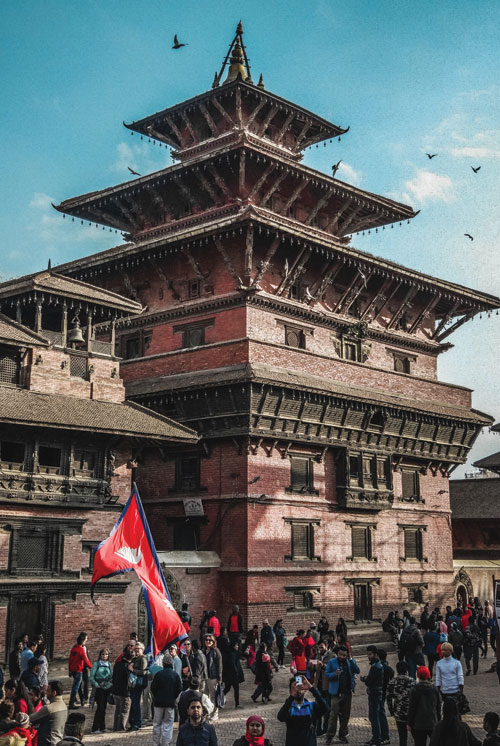
  • Patan Durbar Square, an UNESCO heritage site

    Lalitpur

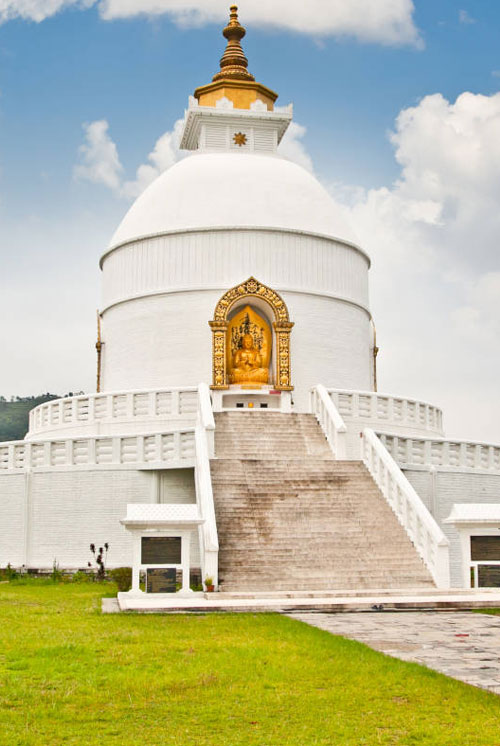
  • World Peace Stupa, Pokhara

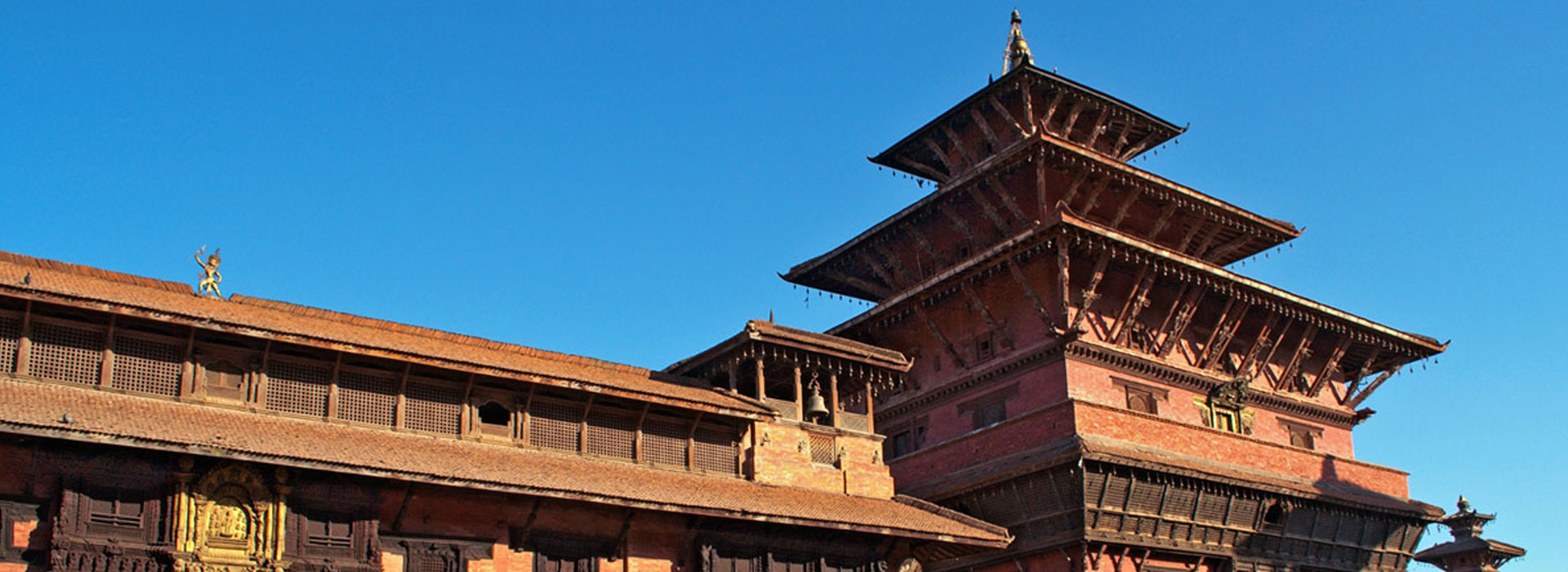
    Pagoda

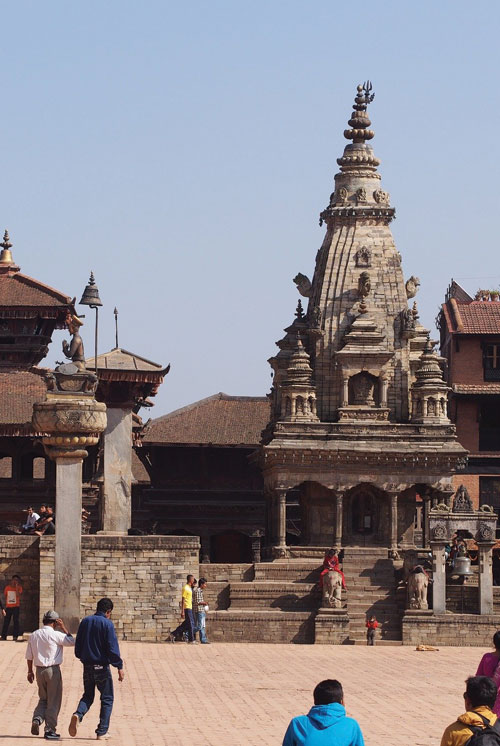
  • Bhaktapur Durbar Square, an UNESCO heritage site

    Bhaktapur

Patan (Lalitpur)

Patan lies 5km southeast of Kathmandu, and is home to the valley’s finest craftsmen who preserve ancient techniques such as repoussé and the lost wax process, still producing exquisite works of sculpture. The district within which Patan lies is known as ‘Lalitpur’, literally, the City of Artisans. With its narrow streets, brick houses and the multitude of well-preserved Hindu temples and Buddhist monasteries (Vihars), the old city is a delightful sight that charms visitors. The tinkering of craftsmen bent over the statuettes they are shaping fills the air around here. As in Kathmandu, Hinduism and Buddhism have co-existed here for ages, influencing each other and the religious harmony can be seen as Buddhist vihars and Hindu temples stand side by side.
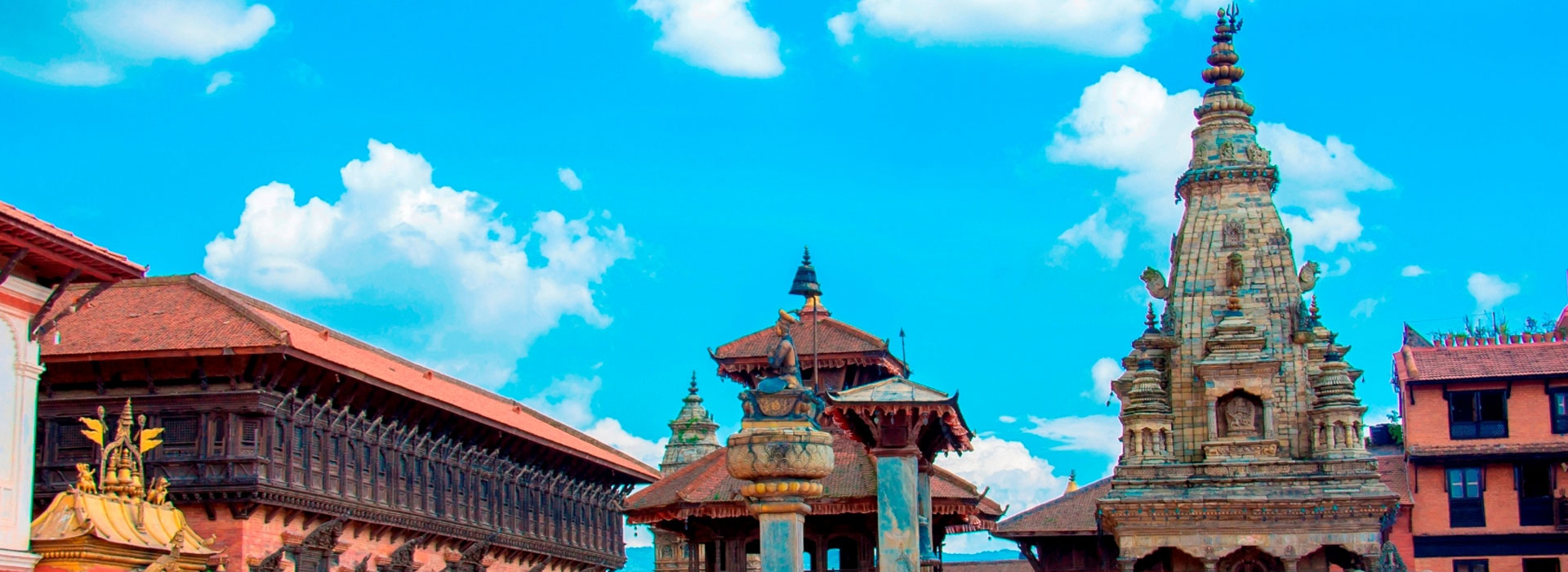
Bhaktapur Durbar Square, an UNESCO heritage site

Bhaktapur (Bhadgaon)

14km east of Kathmandu, at an altitude of 1,401m, Bhaktapur or Bhadgaon (literally the City of Devotees) is perched on a plateau and is a major tourist attraction. This city retains the old world charm of paved roads, red brick houses and a laid back lifestyle that is infectious and reminiscent of medieval times. The spectacular ‘Durbar Square’ with its resplendent Golden Gate and extraordinary Palace of Fifty-Five windows reminds one of the glorious rein of the Malla Dynasty when the city flourished in rich art and architecture. This archaic city is also known for its pottery and exquisite woodcarving plainly visible in the streets and squares.

Beyond Kathmandu Valley
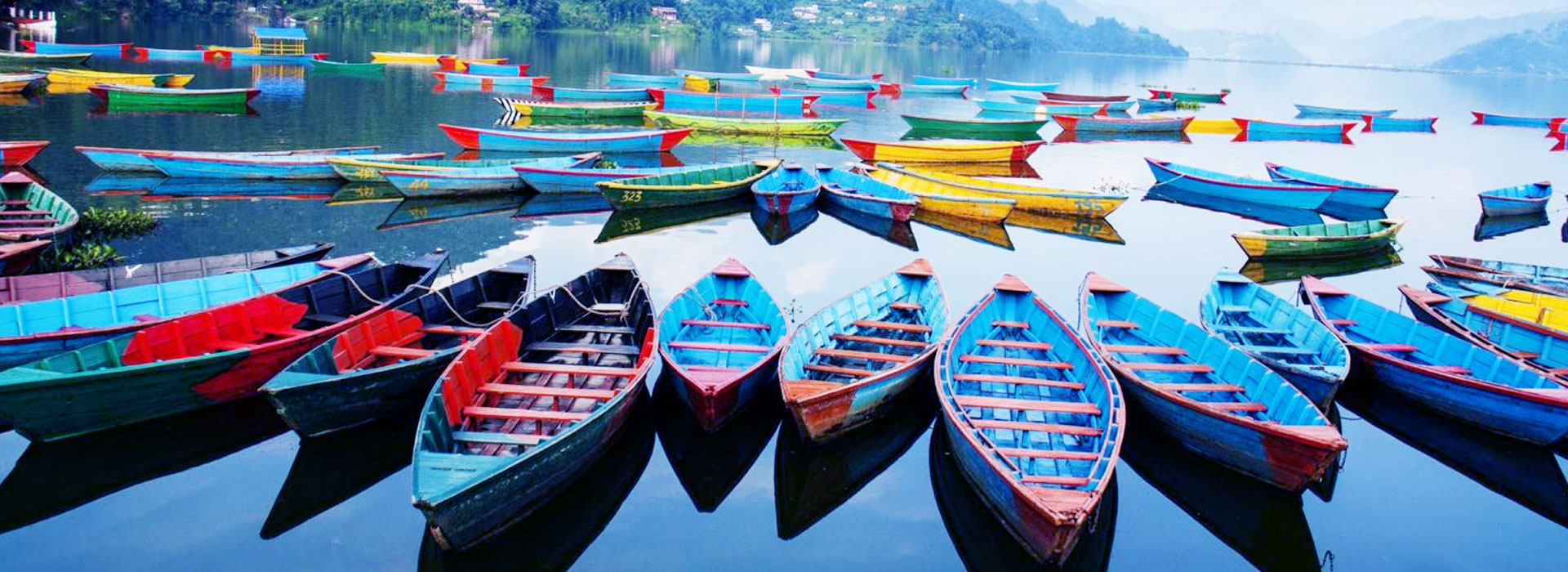

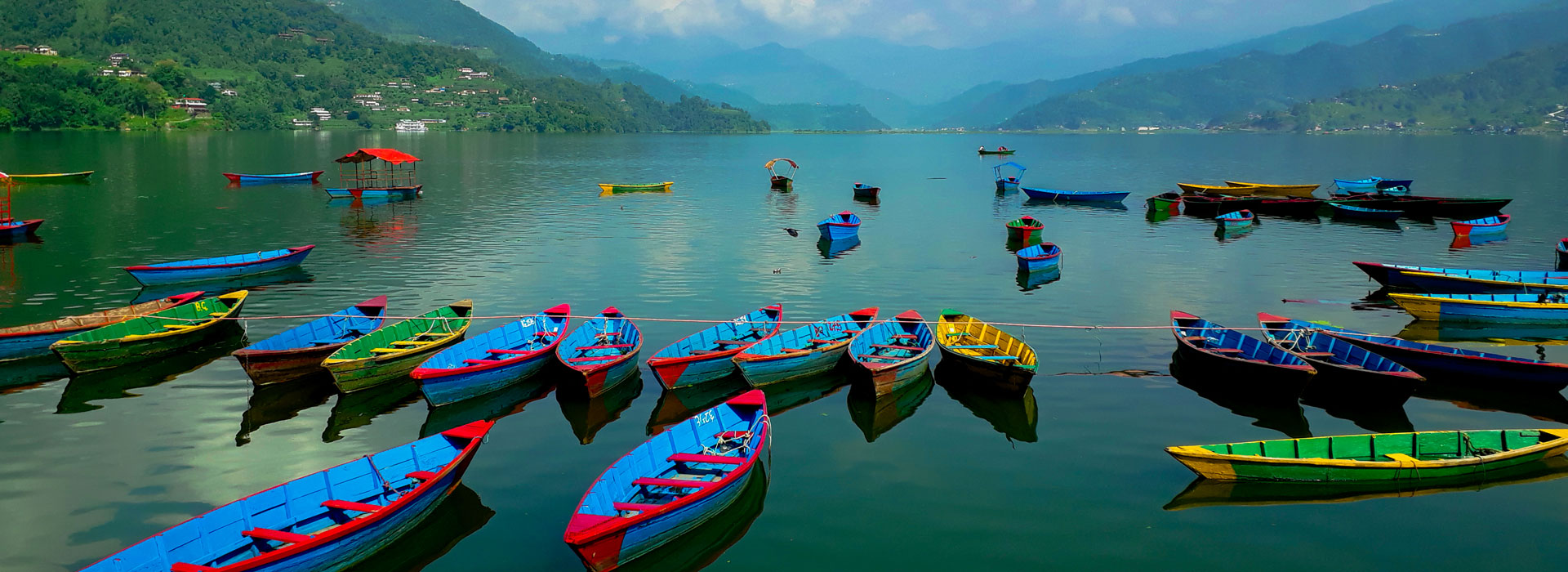
Boating at Phewa Lake, Pokhara

Pokhara

Every visitor to Nepal soon hears about the enchanting Pokhara valley, the ‘Jewel of the mid-west’, and a must-visit place. They are greeted by the magnificent Annapurna range of mountains which forms the backdrop for the Lake District. Tourists also enjoy a relaxing time in the tranquility of the three lakes of Phewa, Rupa and Begnas. Pokhara is the ultimate destination for an R & R. But in recent years its reputation has grown exponentially as the destination for adventures sports. From zip lines to paragliding and ultra-light flights to rafting on the raging rivers, there is much to do here. With boating, bird watching, trekking and mountain biking as the other attractions, Pokhara is a must visit for everyone.
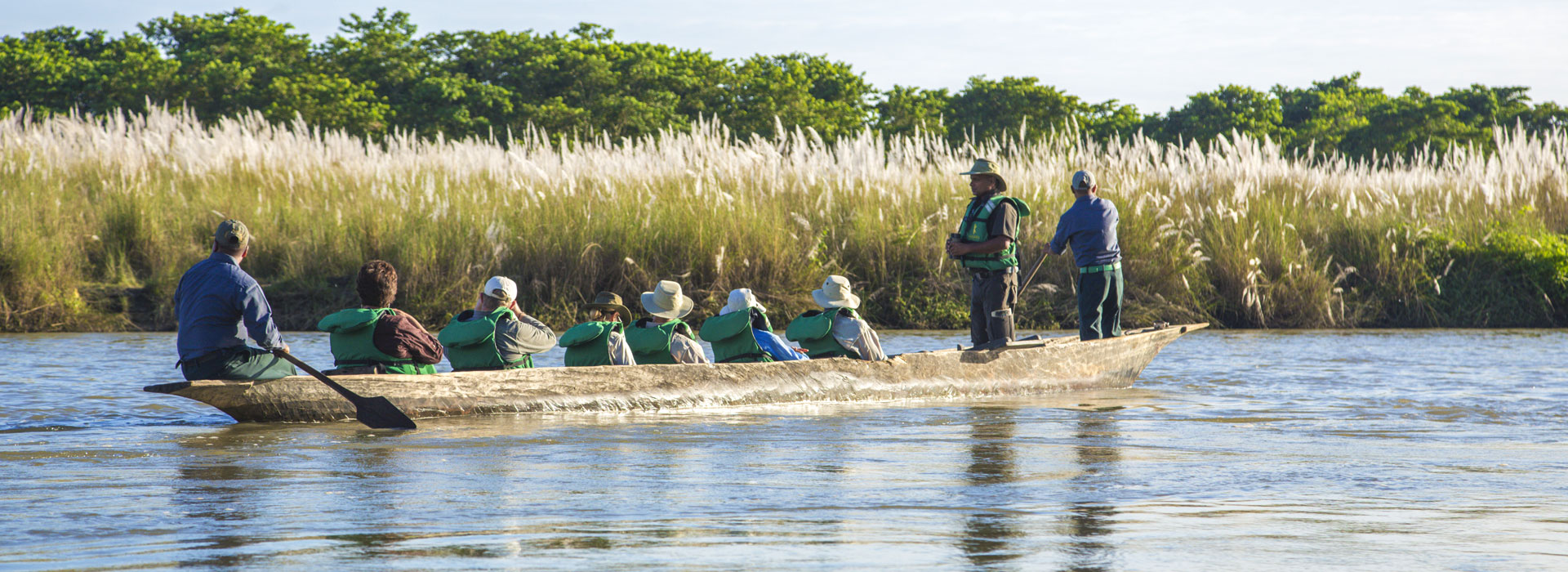
canoe ride at Chitwan National Park, an UNESCO heritage site

Chitwan

Renowned as one of the best conservation areas in Asia, the Chitwan National Park is only a half-hour flight away from Kathmandu. Designated a UNESCO World Heritage Site in 1984, wildlife sighting is guaranteed in this remarkable forest where birds and animals thrive in their natural habitat. Established in 1973 the park lies in the ‘Tarai’ region (plains) and is home to a wide variety of wildlife that includes endangered species like the Greater One-horned rhinoceros and the majestic Royal Bengal tiger. With its rich flora and fauna, the park is home to more than 450 species of birds and 68 species of mammals. The activities within the park include safaris on elephant back, boat rides, jeep drives and walks accompanied by naturalists.
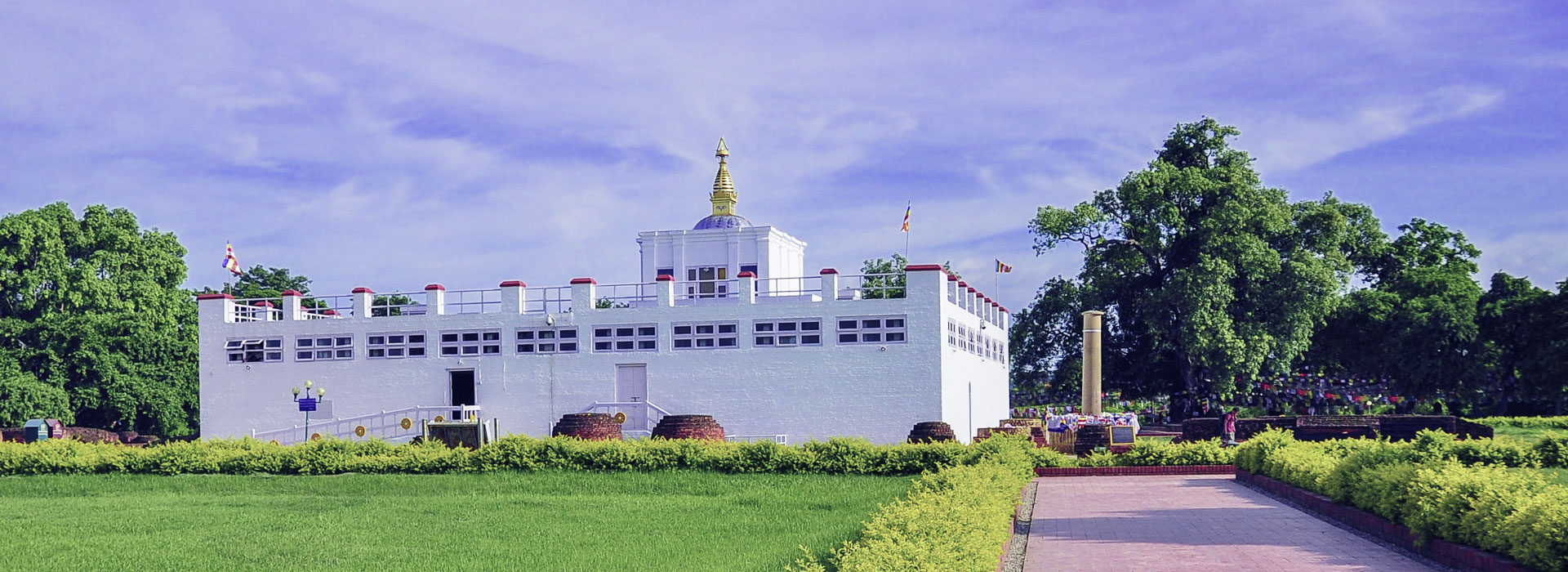
Lumbin, UNESCO heritage site, brithplace of Buddha

Lumbini

As the birthplace of Lord Buddha, Lumbini attracts Buddhists and other visitors from around the world. Designated a UNESCO World Heritage Site in 1997, this pilgrimage site lies in southwest Nepal where people arrive to pay homage at the Sacred Garden where the ‘Enlightened One’ was born. Of great interest here is the Ashoka Pillar which was erected by the Emperor Ashoka of India who famously converted to Buddhism. Today Lumbini has been enlivened by a display of architecturally beautiful temples, stupas and monasteries built by various international Buddhist communities.

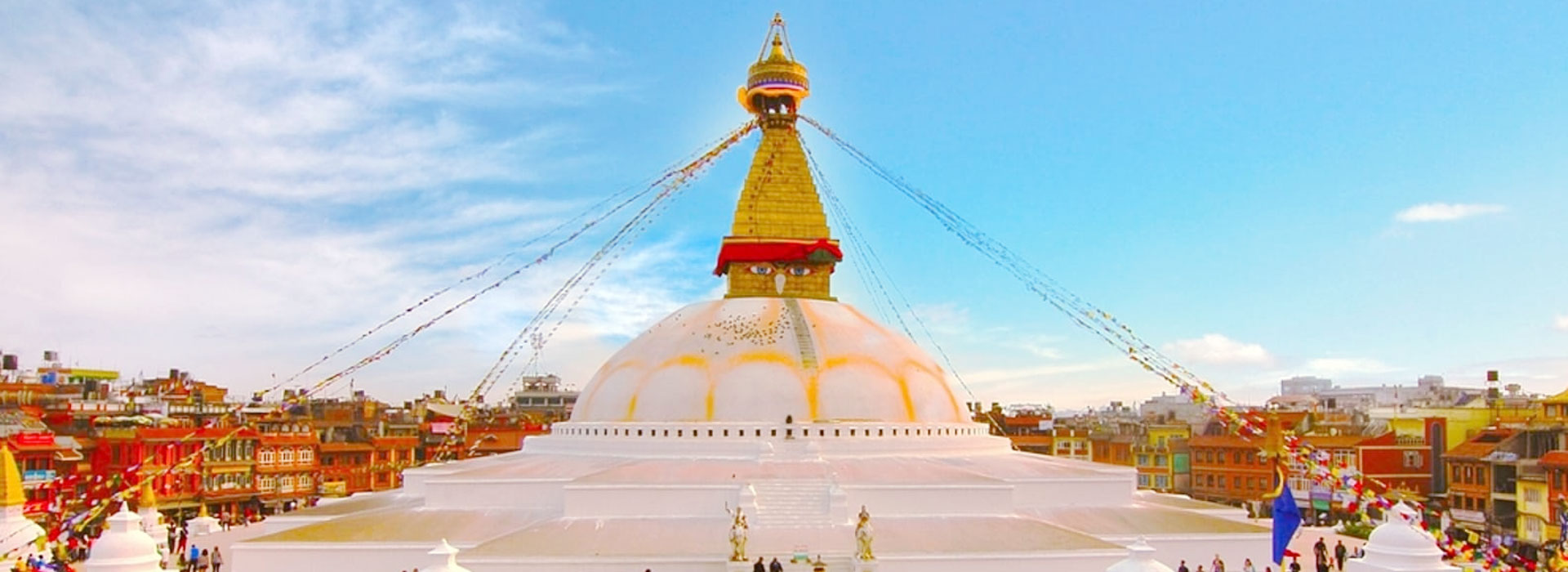
Similar blogs

View all

Continue reading

Enjoy the Spiritual Energy of Boudha Stupa

Enjoy the Spiritual Energy of Boudha Stupa


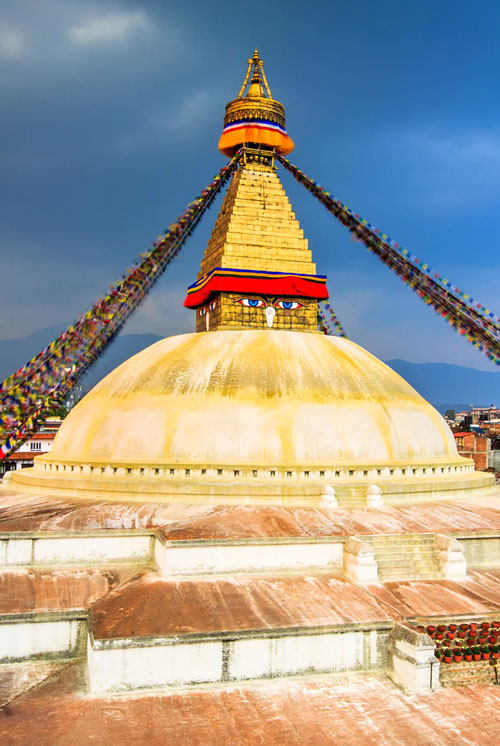
Boudha Stupa, an UNESCO heritage site

Boudhanath also called Boudha is a stupa in Kathmandu, Nepal. Boudha stupa is semicircle shaped and contains the relics and remains of Buddha. The stupa’s massive mandala makes it one of the largest spherical stupas in the world. Boudha Stupa was listed in world heritage list by UNESCO in 1979 and it is one of the most popular tourist sites in Kathmandu. The stupa dates from 600AD and was built by a Tibetan king. The stupa is a historical pilgrimage site for all the Buddhists around the world. The stupa was built using many kilograms of gold for decoration.

The giant Boudhanath stupa is a gateway to heaven serving as a horizon between the earth and sky. The base of the stupa structure consists of three large platforms decreasing in size. These platforms symbolizes the sky, whereas the circular vase supporting the semi-sphere signifies water. The eyes of Buddha painted on the stupa are diversely described as inscrutable, impassive, empathetic and shrewd. The five most promising elements representing Buddha i.e. earth, air, water, fire and space are comprised in the Stupa architecture.

Boudha is an awe-inspiring and spiritual space and also one of the holiest Buddhist pilgrimage sites in Kathmandu, Nepal. During the full moon day, monks are indulged in prayers, singing songs and all Buddhists come to the place as a part of their holy visit. As a daily ritual, many people walk three or more times around the stupa while repeating the mantra ‘Om Mani Padme Hum’ in a “kora”. Prayer flags that are tied to the stupa flutter in the wind, carrying mantras and prayers towards the heaven.

Although it is a holy place for Buddhists, we can see many people from different cultures also praying in the stupa. Sitting at 36 meters high, the site is absolutely magical, with symbols and interesting energies to be found at every turn.

Surrounding Boudhanath Stupa are streets and narrow alleys lined with colorful homes, Tibetan Buddhist monasteries and street vendors. There are number of restaurants, coffee shops, cafes, guest houses, Tibetan art and craft shops, Buddha statue shops, etc around the stupa. Tibetan foods such as laphing, thukpa, alu roti, khapse etc are found inside the premises of Boudha stupa and is very famous among the locals. There are lot of eateries where not just Nepalese but different cuisines are also found. Among them Roadhouse Cafe, La Casita, Pho99, are very famous among the tourists as well the Nepalese. We can also find traditional Nepali food i.e Daal Bhat and for that ThasangThakali Kitchen is most loved among all.

Boudhanath is also a shopping hub for many people. We can find different kinds of shops that promote local as well as branded products. For Cashmere products Tara Oriental is famous, Drichu store is well known for its handmade clothes and you can find traditional Thangka paintings which is famous all over the world. You can also explore a Thangka learning center inside the premises of the stupa. Around Boudhanath there are many luxurious hotels like Hyatt Regency Kathmandu, Hotel Tibet International, Ghangri Boutique Hotel and Shambaling Boutique Hotel. During the festival of Losar (Tibetan New Year) in February or March, Boudhanath hosts the largest celebration in Nepal. Boudhanath stupa opens daily for 24hours and every day it welcomes thousands of visitors. Although it is over-crowed but yet it is a very peaceful area. People of all age group come here to hang out, stroll around, click pictures, eat delicious food and most importantly to get peace of mind. It is very easy to get there as it is in Central Kathmandu, airport is also just few kilometers away. We can also get the view of Boudhanath from tall houses, apartments, hotels that are far away. It is one of the must visit places in Kathmandu.

However, due to April 2015 Nepal earthquake Boudhanath Stupa was demolished badly. The whole structure above the dome, and the religious relics it contained had to be removed. The reconstruction work began in June 2015 and was completed by November 2016. The renovation and reconstruction was organized and completed by the Boudhanath Area Development Committee. The repairs were funded entirely by private donations from Buddhist groups and volunteers. Now the stupa is open for all after its renovation.

Boudhanath is a world heritage site, it signifies Buddhist culture, tradition and way of life so it should be preserved. Therefore, it is a must visit site for both the national as well as international tourists.

Similar blogs

View all

Continue reading

Patan City of Artisans

Patan | City of Artisans


Patan Durbar Square, an UNESCO heritage site

In the heart of Lalitpur district lays one of the masterpiece of the ancient period, the Patan Durbar Square. Listed in the UNESCO World Heritage site,s it is one of the main tourist attraction spots, as well as an important part of Nepalese history. Before the unification of Nepal, the palace was built by the Malla kings who were then the rulers of Lalitpur. The architectures found in the palace are from the 17th century. It has 136 courtyards and 55 major temples. The scholars say that Patan was a prosperous city from the ancient period itself. Newari residential houses are found around the Durbar which tells us that they have witnessed the history and have been preserving the identity of the palace. As you enter the Durbar you can see the square floors are tiled with red bricks. The 2015 earthquake damaged some of the parts of the palace which are now under construction.

Major attractions of the durbar square are the Krishna Mandir, Bhimsen Temple, Vishwnath Temple and Taleju Bhawani Temple. The most important temple in the Durbar is the Krishna Mandir. It is said that one night King Siddhi Narsingh Malla saw Lord Krishna and his beloved Radha standing in front of the royal palace which made him build the temple at the same spot. The temple holds 21 golden pinnacles and is three storied. The first floor has the symbols of Lord Krishna with Radha and Rukmini on each of his sides. During Krishnastami, thousands of hindu devotees are seen here. Bhimsen Temple is the known to symbolize Bhimsen who fought bravely during the Mahabharata. Dedicated to Lord Shiva the Vishwanath Temple symbolizes all the elements of Lord Shiva. Taleju Bhawani also known as the personal deity of the Mallas is a five storied temple and has great significance. You will also find a pond at the center of the palace where people enjoy sitting around. There are three main courtyards in the palace Mul Chowk, Sundari Chowk and Keshav Narayan Chowk.

Even after the devastating earthquake of 2015 the palace stands still keeping its identity alive. People love to visit the palace as it is a quiet yet vibrant place, where locals enjoy gathering. Inside the palace you can also visit the Patan museum restored by Austrian renovation architect Mueller. There is a tradition of choosing the Kumari i.e. living goddess among the Bajracharya and Shakya clan from the Newar community. They say that goddess Taleju is worshipped in the form of Kumari. Near the Durbar Square, you can walk to Mangal Bazar where you can see vendors lined up to sell local items that are used in various puja ceremonies. The bazar is an exciting place to walk around that will stimulate all your senses with sound, colour and a sense of hustle bustle. You will hear the vendors calling you to buy their products, the smell of some tasty street food and some unique shops. One must definitely try the Newari food that is found in this place. Bara, Chatamari, Yomari and many more Newari dishes are famous in this place.

Some of the famous restaurants around this place Honacha, The Inn Café, Raithaane, Patan Museum Café, Café De Temple and many more. The best thing that is heard in recent days is that the people of Patan have collected funds to reconstruct the Durbar and save its identity as they have been saving from years. Today if we visit the palace we can see the temples being covered because of the work going on. Still people find the place quite amusing and you can even see tourist hanging out in this place. Patan Durbar Square and the neighboring community is not being gentrified- Patan is beautiful in the evenings, it lights up fully with warm lights. One call also request to experience an alternative walking tour of Patan, by going to the Kathmandu Valley Preservation Trust, or reaching out to the Raithane team for you to understand the evolution and urbanization of a city that is now rapidly gentrifying and becoming a hub for airbnbs and homestays.

Similar blogs

View all

Continue reading

Unbeatable location of the iconic Yak & Yeti Hotel

Unbeatable location of the iconic Yak & Yeti Hotel


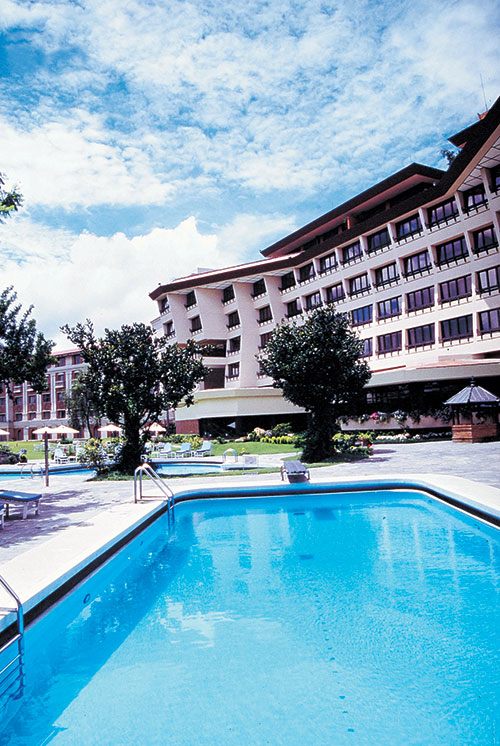
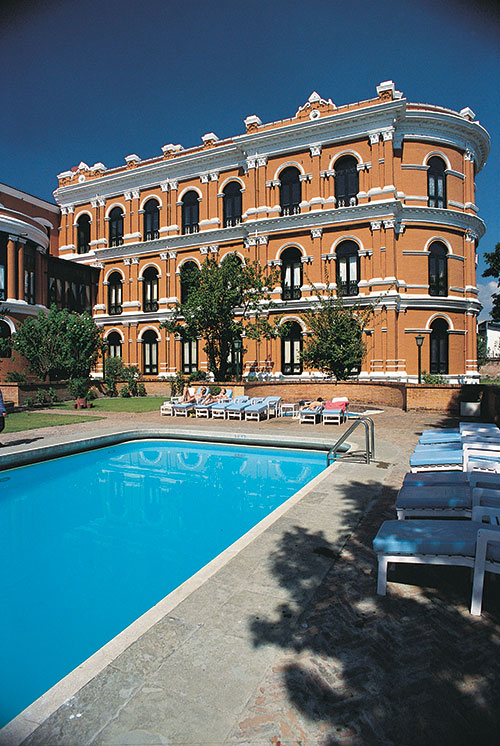
On September 27, 1977, Yak & Yeti hotel took a historical change. A beautiful palace Lal Durbar stood as a 5 star luxury hotel in the heart of Kathmandu city. The touch of history and comfort of luxury made the hotel even special. With 42 years of legacy, today hotel Yak and Yeti stands as one of the leading luxury hotels in the country. The hotel is a sumptuous array of ancient artifacts and designs that give the essence of a royal palace. It captures the historic charm of Kathmandu with the international quality standard facilities. The antique fountains, landscaped garden present in the hotel make the guests feel overwhelmed. The walls are beautifully painted and the rooms are elegant and comfortable to the guests. The 100 years old palace has been improvised with the passage of time. It had 120 rooms at its early days. And as time passed by, considering the modern era many changes were introduced.
  • Hotel yak & Yeti, Durbarmarg, Kathmandu

    Image1

  • Hotel Yak & Yeti, Durbarmarg, Kathmandu

    Image2

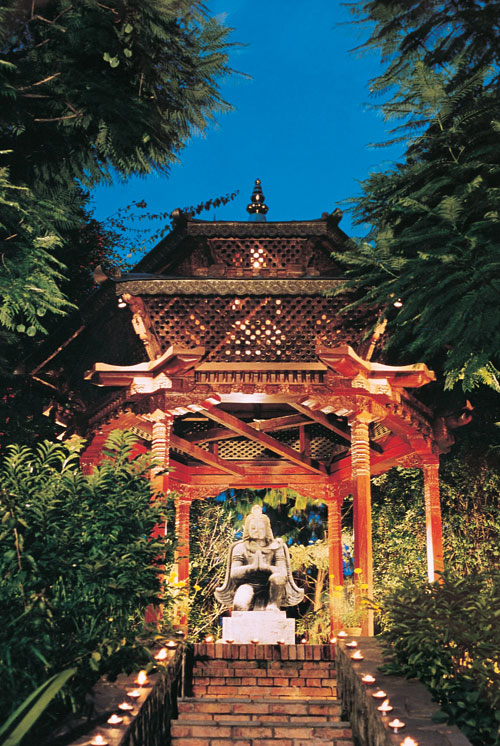
  • Temple at Hotel Yak & Yeti, Durbarmarg, Kathmandu

    Image3

Today, all together the hotel has 270 rooms that are well air conditioned, well equipped with cable TV, a mini bar and a sanitary attached bathroom. Also the hotel has a porte-cochere, lobby, lobby bar, shopping arcade, an atrium, swimming pool, casino and 2 tennis courts to keep the guests entertained and occupied in. There is a fitness center named Club Nirvana Fitness Center with the facility of gymnasium and spa.The hotel provides a well- equipped conference hall, meeting rooms, business center and a tour desk. It is the first hotel to introduce executive floor and Club Shangri-La. Although the hotel has modernized its changes time and again the historical features and aura has still been preserved. The popular nearby places nearby are Phohra Durbar, Tri- Chandra College, Rani Pokhari and Election Commission of Nepal. The temples present nearby are Ajima Temple, Lakshmi Pasiajima and Kumari Than Mandir. Located in Durbar Marg the hotel is 10 minutes’ walk from Thamel and approximately 15 minutes’ drive from the city center. The location itself makes it an obvious destination for business and travel.

Kathmandu is Nepal’s thriving capital city, where most of the religious festival celebrations take place. It is a valley where majority of the World Heritage sites are located including the holiest Hindu and Buddhist shrines. Kathmandu is situated at an altitude of 1400m. If you read the history of Kathmandu you will come to know that the valley was once divided into 4 fortified cities: Kantipur (Kathmandu), Lalitpur, Bhaktapur, and Kirtipur. Many of the historical events took place in Kathmandu valley so it is a center of attraction for everyone. Today, Kathmandu is a melting pot of all ethnicities, offers exotic cuisines and is still the only city in Nepal with an international airport. Also, surrounded by the four major mountains Shivapuri, Phulchoki, Nagarjun and Chandragiri the valley attracts a lot of tourists.

DubarMarg, also known as King’s Way as it leads to the former royal palace of Narayanhiti is an iconic road in Kathmandu. Flanked by the luxury hotels, restaurants serving international cuisine, fancy boutiques, a couple of agencies, global shipping brand outlets and many more makes it quite popular among the tourists. It is a central junction that connects many popular road networks like Lazimpat and Thamel, Bhat-Bhateni and Baluwatar, New road and Asan and Putalisadak and Kamaladi.

  • Patan Durbar Square, UNESCO Heritage Site

    Image1

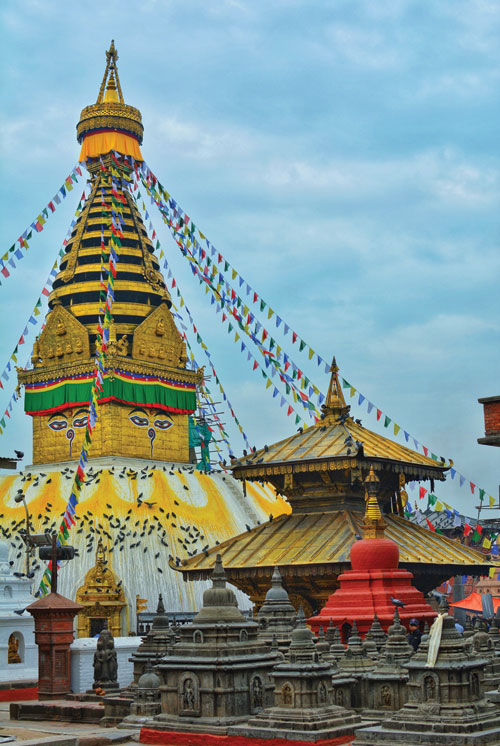
  • Swoyambhu Stupa

    Image2

  • Bhaktapur Durbar Square, UNESCO site

    Image3

Some of the famous delicious eateries are The Old House Restaurant, Dalle, KFC, Mezze by Roadhouse, Trisara, Pizza Hut and many. The Old House Restaurant has an exciting menu to offer with delicious cuisine. Also Dalle Restaurant has varieties of Momo to attract the customers since Momo is famous among Nepalese as well as foreigners. Mezze by roadhouse has a stylish rooftop and serves international cuisines as well. With the view of the Narayanhiti palace and the streets of Kathmandu one can enjoy the delicious food. Sherpa Mall, Square Mall, Woodland Complex are some of the famous shopping spots here. Also, brand stores like Zara, Adidas, Nike, Puma, Lee Cooper and Levis target many people who fancy them. Durbar Marg might be a busy street but it has a lot of energy in it. The evening time is the best time to hang around this place.

Also the hotel is minutes away from the most happening place in not just Kathmandu but also in the entire country i.e. Thamel. It is the center of the tourism industry in the country. It has all the attractions for tourists like money exchanges, travel agencies, budget hotels, pubs and clubs, handicrafts, trekking gears and many more. Tourists find the place quite amusing and attractive as it offers international cuisines, live music, clubbing and good hotels. Thamel probably is the best place to enjoy night life. Even when the whole city sleeps this place remains full of energy. As it is near to the hotel Yak and Yeti foreigners can easily get access to the place. Some of the major attractions of Thamel are the fancy restaurants, the eye catching handicraft and gift shops, the lit up streets at night and the smell of tasty street food.

Therefore, one can say that hotel Yak and Yeti lies in the heart of the country i.e. Kathmandu city. It is surrounded by splendid and famous places. Durbar Marg, the most desirable location in Kathmandu increases the charm of the hotel. Moreover being close to the famous tourist area Thamel tourist inflow in and around the area is pretty good. With such a location easily accessible to the tourists as well as the Nepalese, hotel Yak and Yeti is always ready to greet its guests with the feeling of “Atithi Devo Bhawa” which translates to “The guest is equivalent to God.”

Similar blogs

View all

Continue reading

Exploring the City of Temples

Exploring the City of Temples


A Day Trip around Kathmandu

Kathmandu Valley was once known as the ‘abode of the gods’, perhaps because of the amazing number of shrines of every shape and size on every street. Here in the valley, Hinduism and Buddhism have co-existed for centuries, the two religions mingling with each other and sometimes seemingly inseparable. Naturally, the valley tours take you to the major temples and stupas with visits to palaces and museums in between.

  • Swoyambhu stupa

    Swyambhyu

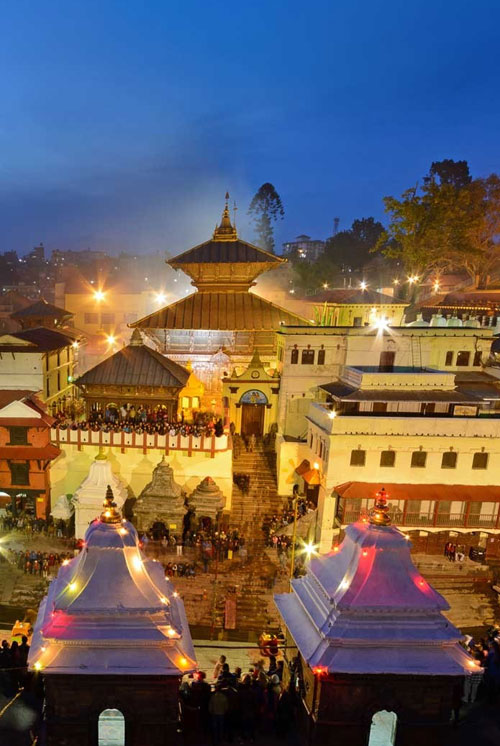
  • Pashupatinath Temple at Kathmandu

    Pasupatinath

  • Boudhanath Stupa

    Boudha

In the morning

Swoyambhu is one of the oldest stupas of Nepal, located on a hilltop west of Kathmandu city. Take an early morning drive and observe local devotees gathering for puja and circumambulation. Apart from the main stupa, where five transcendent Buddha images are worshipped, the complex is also home to numerous Hindu shrines like Harati Ajima temple, Pratappur and Shanitpur along with The Shri Karma Raja Maha Vihara Monastery among others. A panoramic view of Kathmandu can be enjoyed from the hilltop and an excursion to the Manjushree Chaitya on the next hill is worthwhile. The stupa complex is home to hordes of rhesus monkeys leading the early tourists to name it “Monkey Temple”. Swoyambhu remains one of the most important Buddhist pilgrimage sites for Newar Buddhists as well as Tibetan Buddhists. Nearby, the Natural History Museum is also worth a visit.

After the visit to Swoyambhu, walk down to the National Museum in Chauni. The building is more than a century old and was built by Bhimsen Thapa, the second Prime Minister under the Shah King of the time. The museum houses arms and ammunitions dating back several centuries and a very interesting machine gun manufactured here in Nepal. One of the attractions is a sword gifted by Napoleon III to the King of Nepal. An impressive collection of coins and stamps are housed in one section. The museum is divided into three buildings: the main Historical Museum, the Buddha Art Gallery full of Buddhist artifacts and the Hall of Sculptures.

For lover of art, history or culture, this museum provides an excellent opportunity to enjoy the ancient art of Nepal. The statue of King Jayaverma that dates to around 185 AD is one of the chief attractions of the museum. The image of Uma Maheshwar from the 17th century that is displayed here was returned to Nepal from a museum in Berlin. The Buddha Art Gallery houses numerous images, and the gallery called Mandala Gallery was designed by Prof. Tachikawa, from the Ethnological Museum of Osaka, Japan.

Pashupatinath Temple at Kathmandu

Pashupatinath

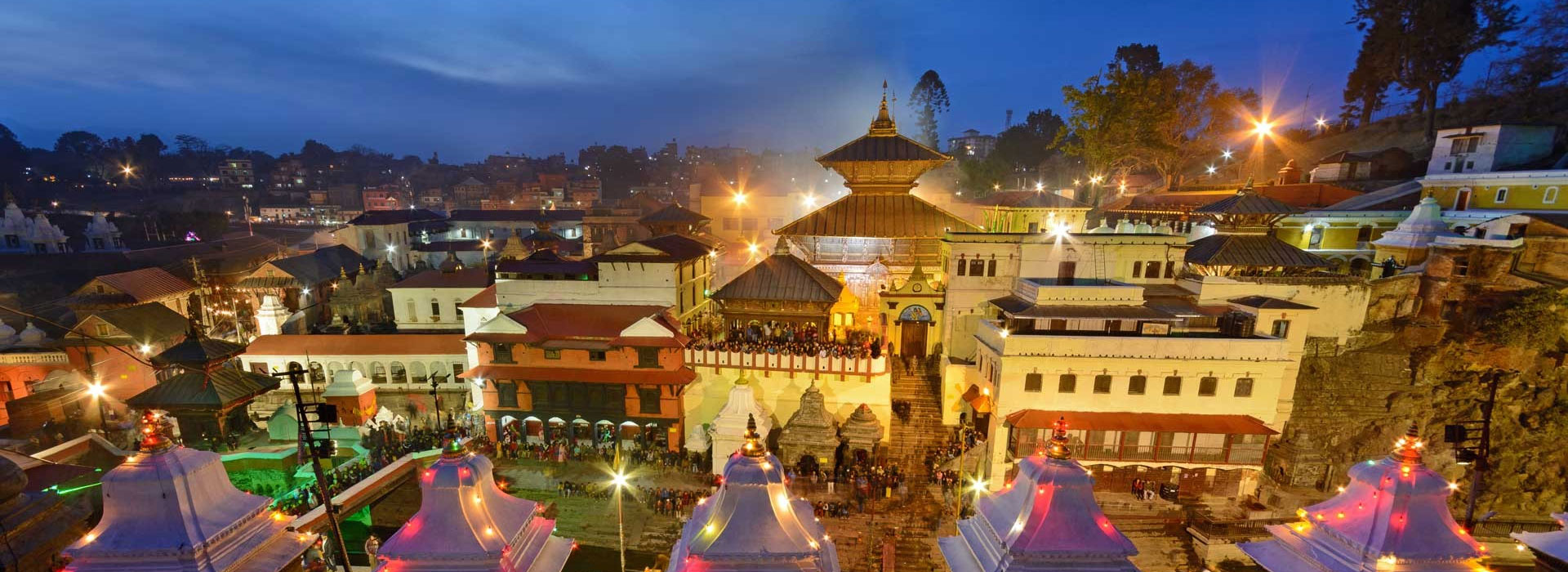
After lunch, drive over to the northeast of Kathmandu to explore two famous religious sites, the Pashupatinath temple and Boudha stupa, both ancient pilgrimage sites for Hindus and Buddhists respectively. Located on the banks of the holy Bagmati River, Pashupatinath is one of the most important shrines of the Hindu God Shiva. The temple draws thousands of devotees from Nepal and India during the popular festival of Mahashivaratri that falls in spring (February/March). The main temple precinct is located west of the Bagmati river, but the complex spreads to the other side as well making it the largest temple complex in Nepal.

It’s not just the temple that attracts visitors. Tourists come to Pashupati to observe the cremations at Aryaghat as well, where the Nepali people carry out funeral rites for the deceased. Besides the funeral ceremonies, Sadhus, the followers of Shiva who have given up their worldly desires, with their ash-covered skin and dreadlocks, are also tourist attractions and are commonly photographed by visitors.

Besides the main temple complex, you can also visit Guheshwori Temple dedicated to Shiva’s consort Sati Devi and Kiranteshwor Mahadev, another Shiva temple, worshipped mostly by the ethnic group of Kirats and other temples like Deupatan.

boudhanath Stupa at Kathmandu

Boudha

Boudha Stupa is one of the most important pilgrimage sites for people following both Newar and Tibetan Buddhism. The stupa is the largest in Nepal and is completely surrounded by buildings housing shops, cafes, restaurants and hotels with a few monasteries in between. People are seen circumambulating the stupa at all times of the day. The neighborhood has a large Tibetan presence and many Tibetan festivals are held here, like Lhosar, the Tibetan New Year celebration.

Boudha is also known for delicious Tibetan cuisine like momos, shyaphalay, Laphing (spicy cold noodles), T Momo (steamed buns), thukpa (noodles) among others. But the various restaurants also serve Vietnamese, Italian, Chinese and more while also providing rooftop views. Tibetan artifacts, jewelry, clothes, incense, furniture and more are sold around the stupa. In the vicinity there are dozens of monasteries belonging to various Buddhist sects that also have Buddhism courses which are attended by resident foreign students of Buddhism. Around here many foreigners in Buddhist robes are seen every day circumambulating the stupa. Boudha is one of the most vibrant religious sites in the valley.

Similar blogs

View all

Continue reading

Adventure Activities in and around Pokhara

Adventure Activities in and around Pokhara


Surrounding Areas

From Pokhara begins or ends some of the most popular treks in the Annapurna region. Among them, the highly recommended treks are the scenic Annapurna Circuit and Jomsom Treks. Shorter, easier treks for people with less time on their hands are Sarangkot, Naudanda, Ghandruk or Ghorepani treks. The Sarankot (1,592m) trek provides a bird’s eye view of Pokhara and stunning panoramic views of mountains. It lies west of Pokhara and the hilltop is also a taking off point for paragliders.

Things to do


Motor Biking

The thrill of exploring Pokhara valley on a motorbike is incomparable. Natural beauty abounds around Pokhara and the ride becomes an adventure packed excursion. The friendly locals make you feel at home while you roam freely in the unrestricted valley. A good bike and a reliable map is all you need for a great adventure.

Boats at Phewa Lake

Boating

Pokhara’s Phewa Lake is usually busy with visitors. Boating is a favorite past time any time of day. The second largest lake in Nepal, the Phewa measures approximately 1.5 by 4 km. The other two lakes, Begnas and Rupa Tal are located 15 km out of Pokhara at the end of a road that turns off the Kathmandu highway. Much less frequented, but these two attract those looking for a tranquil setting to enjoy some peace and relaxation. Boats can be rented easily on an hourly basis to check out the other banks that are lush green and tranquil. Taking a swim on a warm sunny day can be a wonderful experience as well.

Best time for boating in Pokhara is in winter between October and February. The skies clear up, the mountains are visible and the sun is milder.

Ultra-light flights at Pokhara

Ultra-light Flights

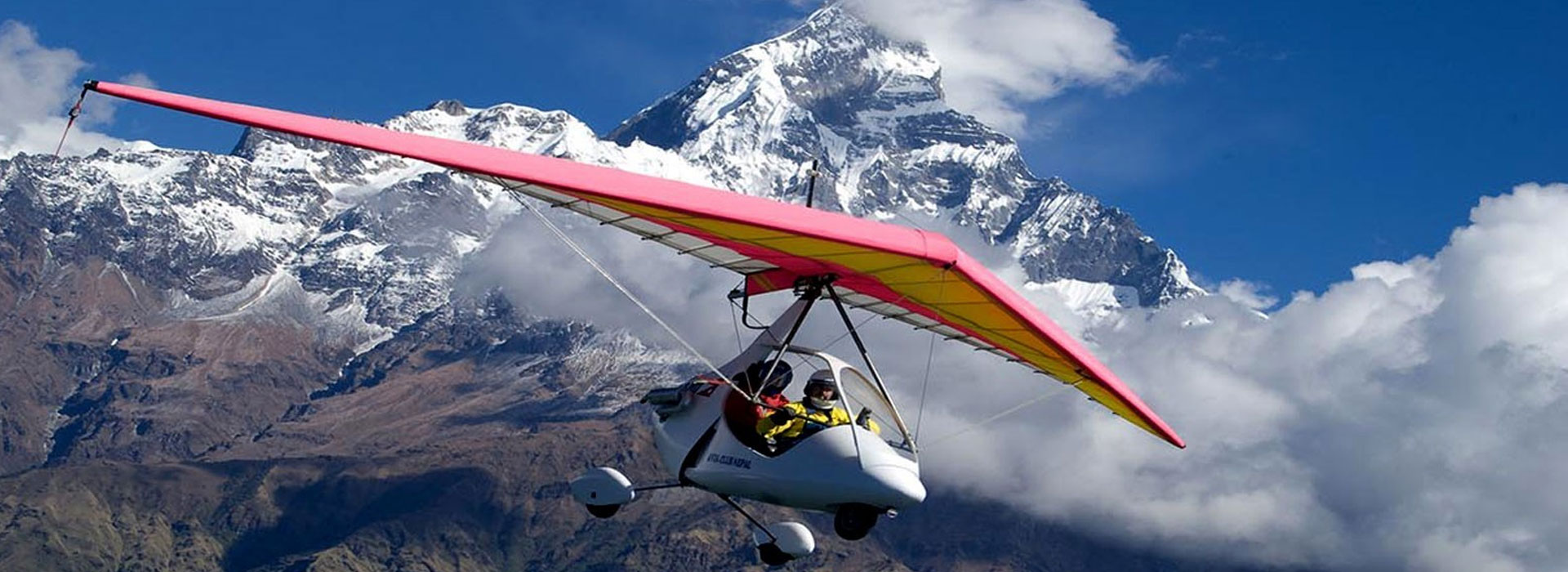
For a superb bird’s eye view of the entire Pokhara Valley, there is nothing like an Ultra-light flight. Enjoying unhindered views of the mountains and shimmering lakes far below, this is an experience of a life time. From September through June, these flights take off from Pokhara Airport. Ultra-lights have no restrictions and can take off and land on a field or even on a dirt road making them easy to operate. Seating only two, a passenger and the pilot, Ultra-lights can fly for hours ascending to a maximum height of 5000 meters. Surprisingly these little crafts can fly for hours even with the engine shut off. The pilots have over 6000 flights under their belt ensuring a safe flight.

Paragliding at Pokhara

Paragliding

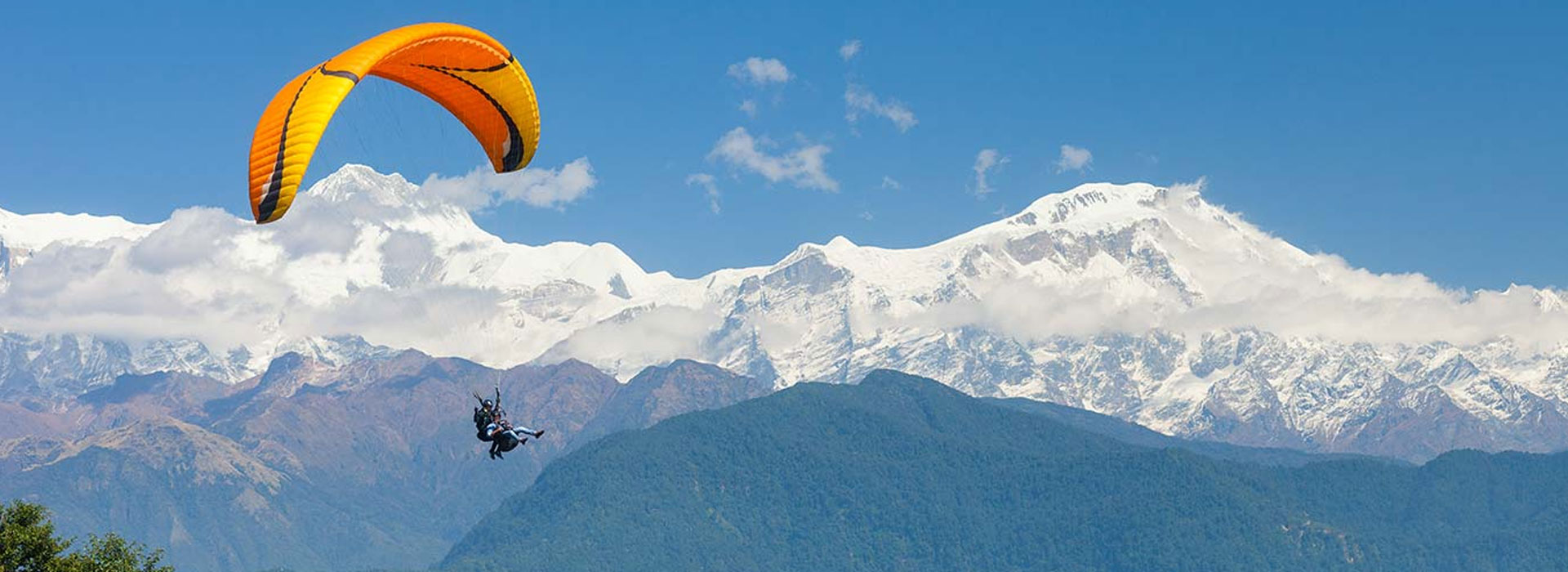
Paragliding has become so popular, there seems to be someone coming off Sarankot all the time. Flying over Pokhara valley is an exhilarating experience enjoying the spectacular view of majestic snow-capped mountains, villages, monasteries, temples, lakes and jungles below you. Flying season is from November lasting through February, the best months being November and December.

Fishing

Anglers can spend their time fishing in the lakes around Pokhara. The lakes and rivers in Nepal have a large variety of fishes. Fishing rods can be rented from the shops around lakeside.

Golf

With a climate suitable for golfing, Pokhara is a good place to head out to the putting green. The sport was introduced here many years ago and there are at present two world class golf courses in Pokhara valley.

Pony Riding

Riding ponies doesn’t require much experience and pony rides are a delightful way of getting around Pokhara. Ride operators arrange interesting trips for visitors around the valley and the surrounding hills.

Rafting at river

Rafting

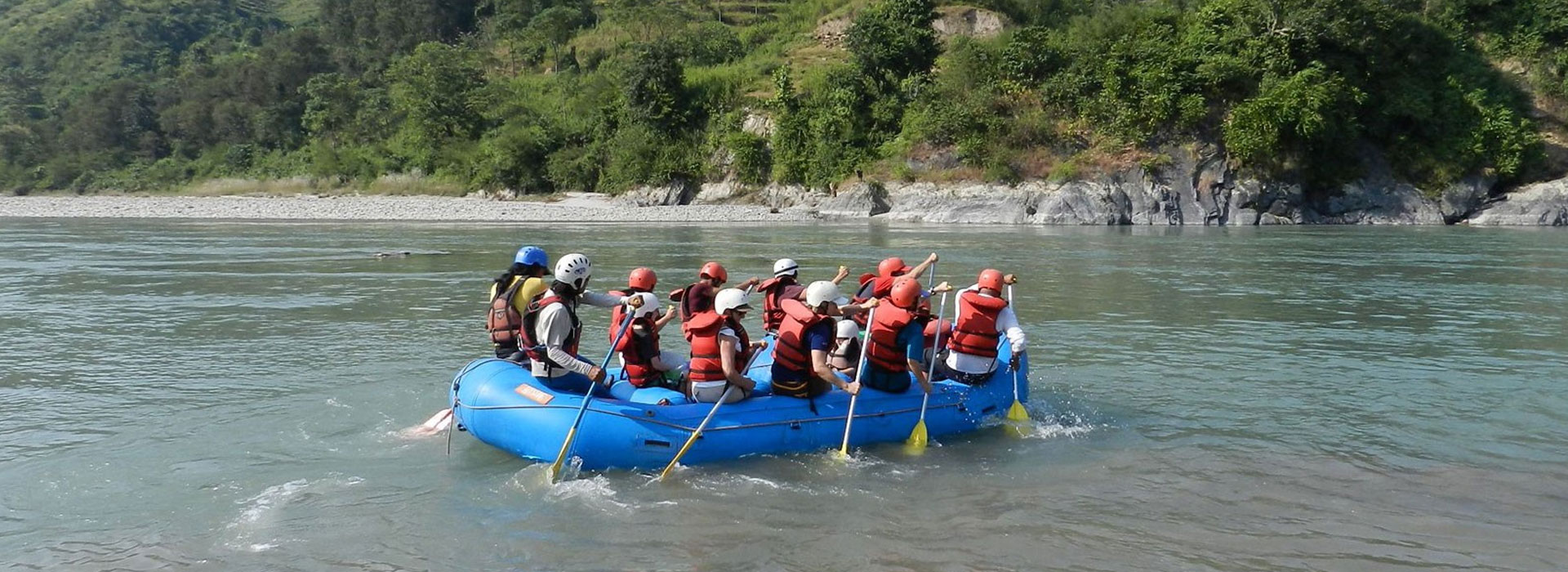
Rafting is a thrilling adventure and Nepal has an abundance of fast flowing rivers, some of which are ranked high in the world of professional rafting. Pokhara is ideally situated for raft trips along its rivers and rafting is a great way to reach various destinations. The most popular river for rafting is the Trishuli River, which flows along the Kathmandu-Pokhara highway. Some of the other rivers frequently used by rafters are the Kali Gandaki and Seti rivers.

Himalaya view from Sarangkot

Short Hikes

Besides lazing around in Pokhara, one can also do some easy hikes. Walking up the surrounding hills reveals spectacular views and breathing the fresh mountain air is refreshing. There is much to see even around Pokhara as you explore the sights and sounds around the city. Short hikes are typically 3-4 hours long but can be extended by several hours.

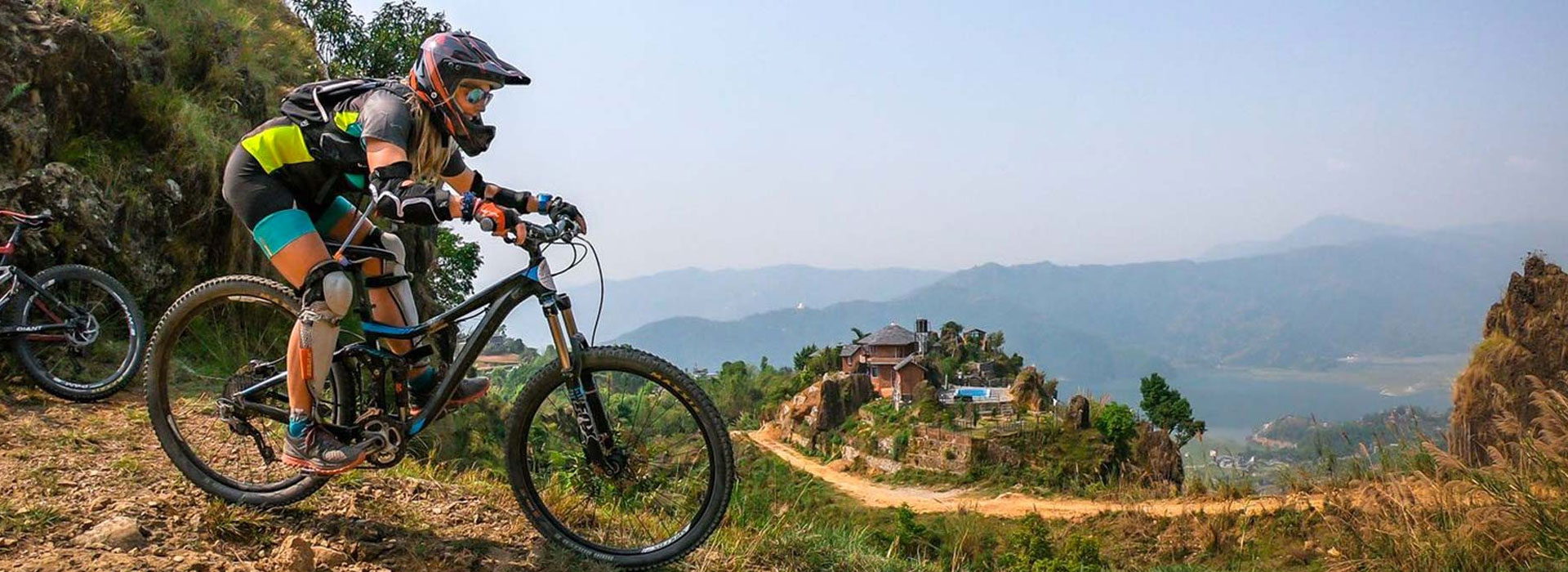
Mountain biking at Pokhara

Mountain Biking

One of the more challenging pastimes is mountain biking but it is also one of the best means to explore the surroundings. Head out to the countryside and there’s no limit to where you can go. Mountain bikes can be easily rented for the day or even longer from the countless bicycle rental shops in and around Pokhara. Ride up and down the hills through lush green rice fields, charming villages, along river banks and visit temples along the way. Guided trips are also available to help you understand local culture and to find interesting spots along the way.

Getting there

206 km west of Kathmandu, Pokhara is just a half hour flight away or a 6 to 7 hour drive from the capital city. On a clear day the flight is rewarding as a panoramic view of the Himalayan chain is fascinating. There are daily flights and buses between Kathmandu and Pokhara.

Climate

Pokhara enjoys mild tropical temperatures and winters are milder compared to Kathmandu. Pokhara at 827m has a relatively warm climate making it a favorite among tourists. Monsoon in Pokhara begins from early-June lasting to September. Summer temperatures can go up to 30-32 degree and a minimum of 6-degree Celsius during the winter.

Similar blogs

View all

Continue reading

Jewel of the Mid-West | Pokhara

Jewel of the Mid-West | Pokhara


Pokhara finds a place in the itinerary of most tourists coming to Nepal unless time constraints limit their visit to Kathmandu. ‘Lakeside Pokhara’, quite distinctly separate from Pokhara city, caters entirely to tourists and lies beside the popular Phewa Lake. With ample space and little traffic, visitors enjoy a relaxed life here at Lakeside. The picturesque Pokhara valley with its tranquil lakes and backdrop of shimmering Himalayan peaks entices hordes of tourists, many of whom make multiple trips to the valley. Today it is gaining fame as the adventure capital of Nepal with all manner of exciting sports: trekking, rafting, paragliding, zip lines and ultra-light flights. Trekkers arrive here to begin or end a trek as well as to relax after a strenuous hike in the Annapurna region. Friendships are made in crowded bars and restaurants, sharing experiences and exchanging ideas for an ideal holiday.

Warmer than Kathmandu because of its lower altitude, Pokhara is pleasant in the winter and has a rich flora and fauna making it ideal for bird watching as well. Pokhara once lay on the important trade route between India and Tibet. Even today mule trains from Mustang and other Himalayan regions arrive in Pokhara and many traders spend the winter here with their yaks to avoid the extreme cold in their homeland. Besides the Magars and Gurungs who made up a large part of the British Gurkha forces, other well-known ethnic group found here are the Thakalis who are known for their entrepreneurship. They run many tea houses along the trek routes in the Annapurna region.

Places To See


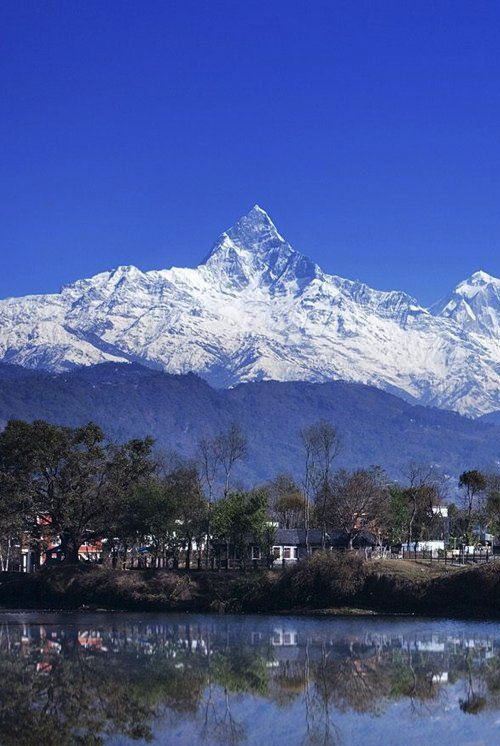
  • Mount. Macchapucchre (Fishtail)

    Mountain View

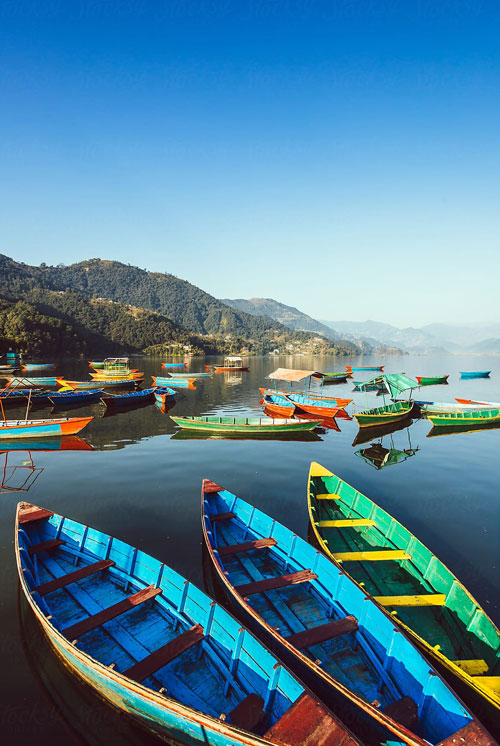
  • Boats at Phewa lake

    Phewa Lake

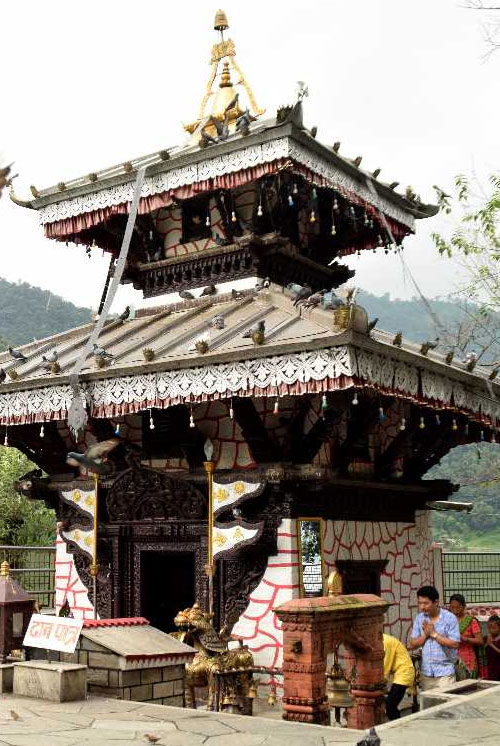
  • Taal Barahi temple at Phewa Lake

    Taal Bahari

Mountain Views

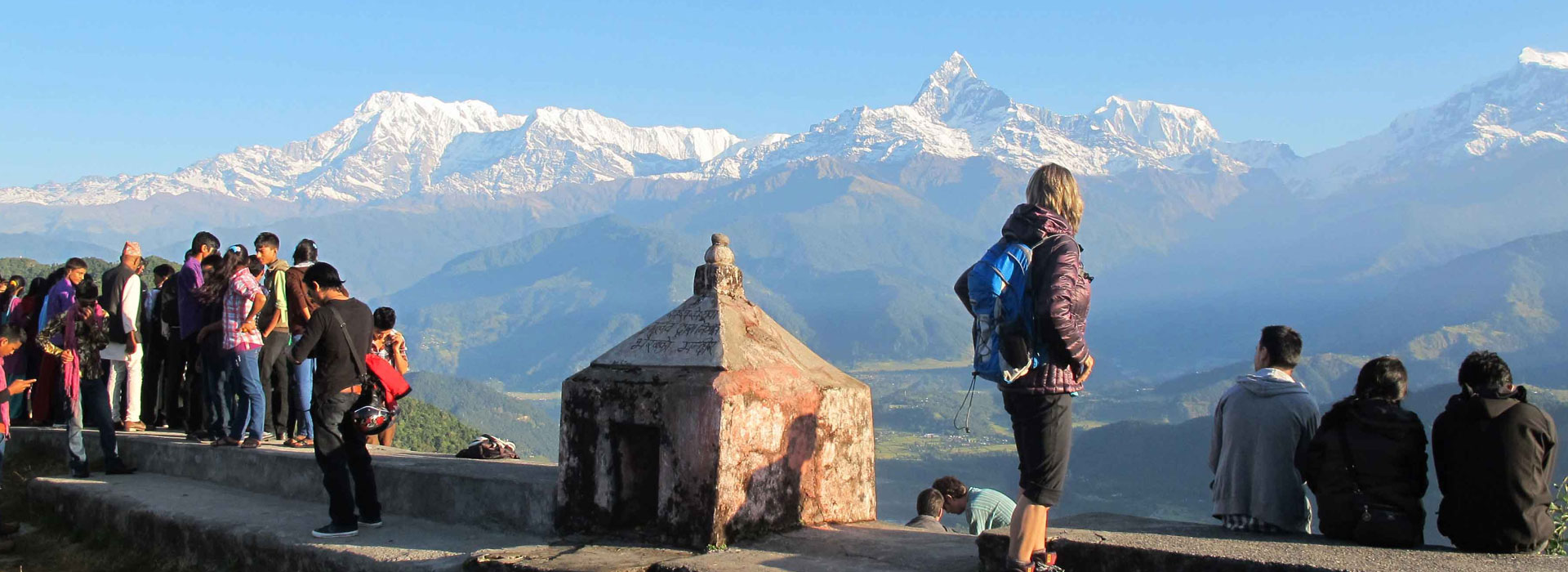
Pokhara is blessed with stunning panoramic views of the Annapurna range which forms its backdrop. Stretching from east to west, the Annapurna massif includes Annapurna 1 to IV and Annapurna South. Further away are seen the giants, Dhaulagiri (8,167m) and Manaslu (8,163m).Machhapuchhare, although not the highest in the range, dominates the skyline because of its proximity to the valley.

Phewa Lake

Pokhara wouldn’t be the same without its lakes. Phewa is the largest and most beautiful of the three lakes attracting a large number of visitors who enjoy boating on its placid waters. Boats can be hired and many visit the island temple that lies out in the middle of the lake. Sailing is another attraction. Lakeside is a thriving resort town with its hotels, restaurants, bars and souvenir shops stretching beside the lake and catering to all the needs of visitors.

Barahi Temple

Located in the middle of Phewa Lake, the Barahi temple is the most important monument in Pokhara. The two storied pagoda is dedicated to Ajima, the boar manifestation of’ the female force Shakti. Large crowds of devotees arrive here on Saturdays, the official holiday in Nepal.

David's Fall

David’s Fall

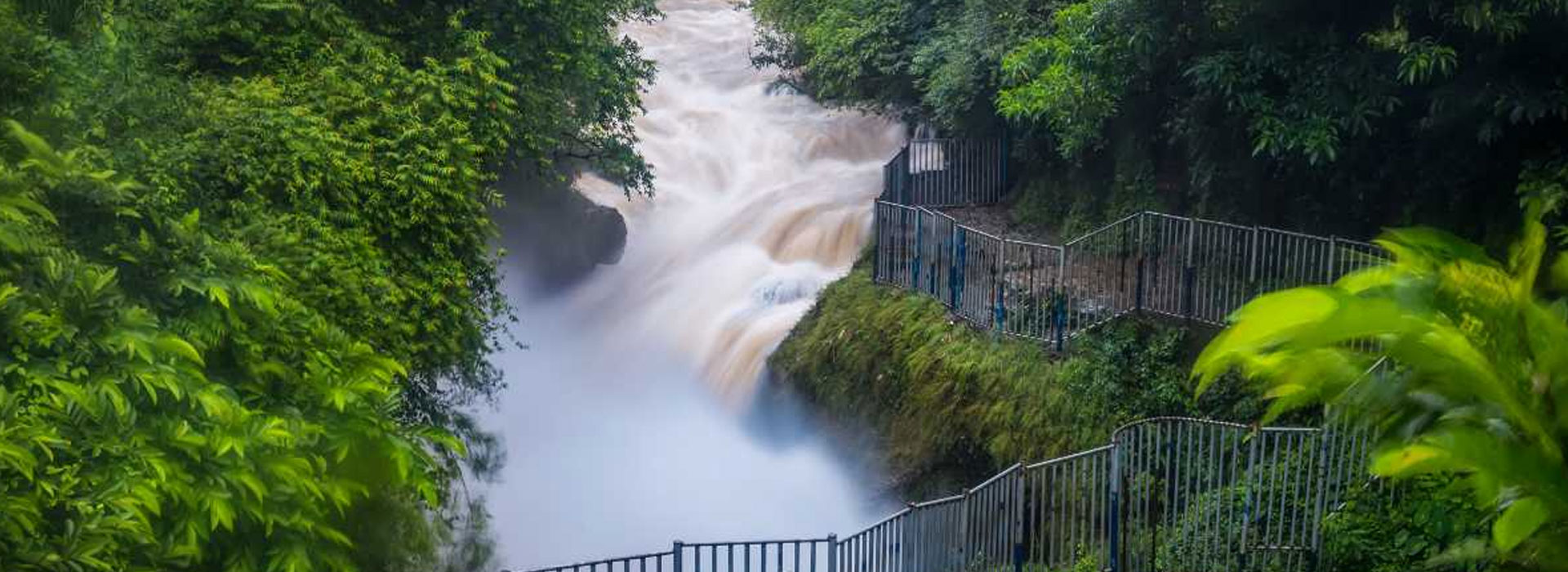
Locally known as the Patale Chhango (Nether Falls), David’s Fall (known variously as Devin’s and Devi’s Fall as well) is a charming little waterfall about 2 km south-west of Pokhara Airport. Many years ago a trekker named David or Devin is said to have been washed away by the river Pardi Khola and disappeared in an underground passage beneath the fall.

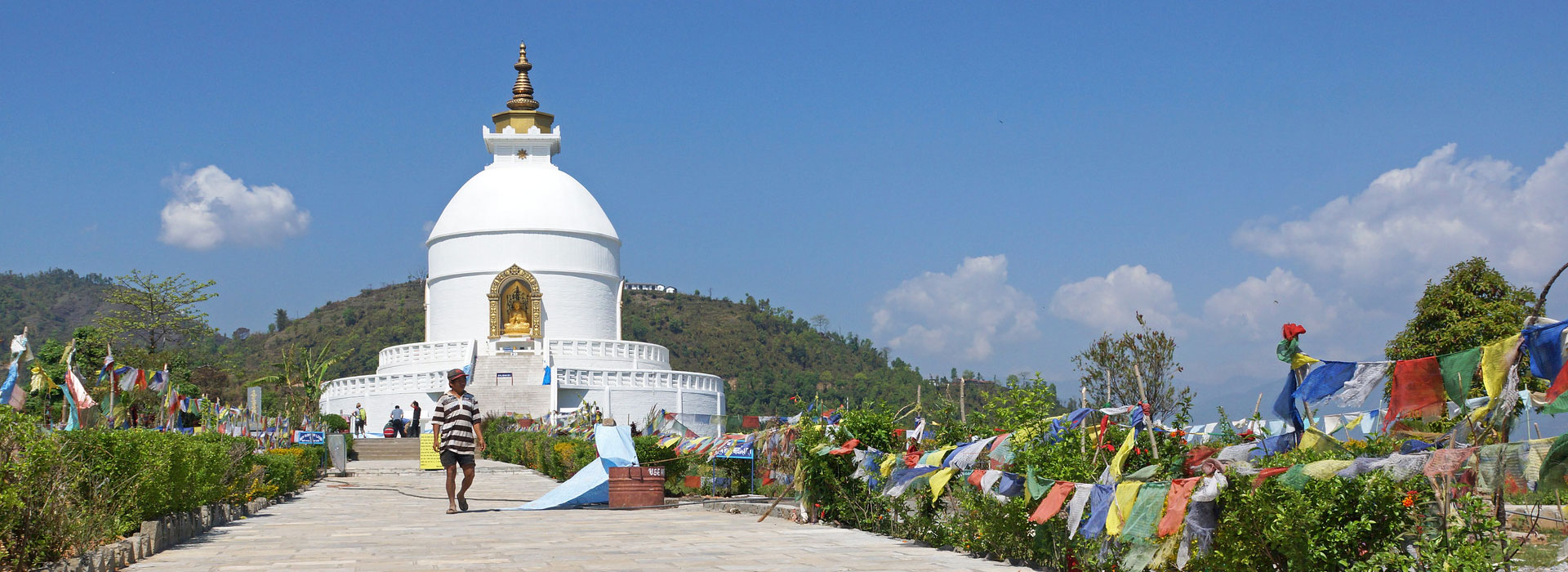
World Peace Pagoda at Pokhara

Mahendra Cave

One of the interesting places to visit is the Mahendra Gupha, a limestone cave reached after a two-hour walk or a short drive north of Pokhara. Known as the ‘House of Bats’ owing to a number of bats found inside, the cave is an interesting labyrinth of stalactites and stalagmites. Visitors are advised to bring their own torches if they want to closely inspect the formations.

World Peace Pagoda

High on a hill visible from Lakeside is the World Peace Pagoda on the southern shore of Phewa Lake. Once there, you are greeted by the four images of Buddha facing in four directions. The dome shaped pagoda is an impressive sight and commands a great view of the entire valley.

Museums

The Pokhara Museum is worth a visit. Located between the bus stop and Mahendra Pul, it showcases the ethnic mosaic of the diverse cultures that thrive in western Nepal. The lifestyles and history of the Gurungs, Thakalis and Tharus are attractively represented by models, photographs and artifacts. Of much interest and also a major attraction is the recently discovered remains of an 8000-year-old settlement in Mustang. The museum is open daily from 10 am to 5 pm, except on Tuesdays and public holidays.

Annapurna Regional Museum

This is the other interesting museum in Pokhara which is also known as the Natural History Museum. Run by the Annapurna Conservation Area Project (ACAP), the museum has an exceptional collection of butterflies, insects, birds and models of wildlife found in the area. Located at Prithvi Narayan Campus, east of the old bazaar, it is open daily from 9 am to 5 pm except on Saturdays and public holidays.

International Mountain Museum

The International Mountain Museum (IMM) is housed in a well-designed modern building. It was built with the objective of recording, documenting, exhibiting and chronicling the entire mountaineering past up to the present day, the development of mountain and mountaineering activities in the world. With widespread support from mountaineering clubs and associations as well as individual donors from around the world, the museum has much on display. Established by Nepal Mountaineering Association (NMA) with the theme ‘Man, Mountain and Mountain activities around the world’, the entire display area of the museum has been divided along this theme.

Hall of Mountain People: This hall exhibits the customs, traditions, heritage, culture and lifestyle of the mountain people.

Hall of World Mountains: This hall showcases all fourteen peaks over 8000 m. and displays geological facts related to the origin of world mountain systems. Also exhibited and explained is the flora and fauna of the Himalaya. The museum also honors great personalities like Kumar Khadga Bikrum Shah (Founder President of NMA), Dr. Toni Hagen (Renowned geologist and lover of Nepal, who published the first pictorial “Nepal”), Reverend Ekai Kawaguchi (The first Japanese to visit Nepal in 1899), and Dr. Harka Gurung (Renowned scholar, geographer, development planner and first Tourism Minister of Nepal).

Hall of Mountain Activities: This hall is dedicated to mountain activities such as mountaineering and trekking, highlighting historical ascents and explorations in and around the mountainous regions. It also showcases the development of climbing gears and other essential mountaineering equipment over the decades.

Similar blogs

View all

Continue reading

Hell of a journey

Hell of a journey

By the time participants of the Trans-Himalayan Adventure 2019 rally arrived in Kathmandu, they had nearly had enough


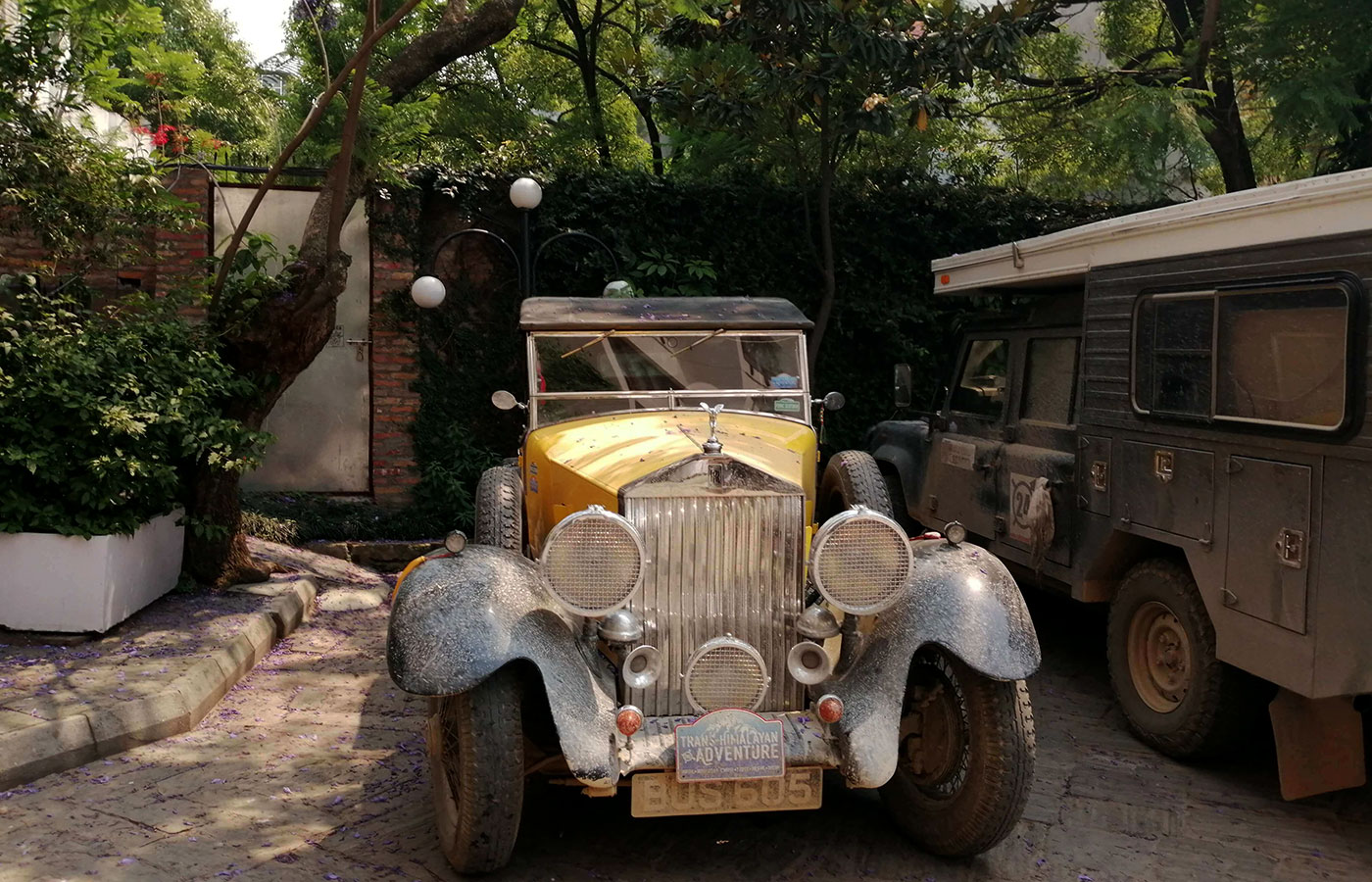
The 1925 Rolls Royce Silver Ghost took a beating but made it to Kathmandu.

Driving on the Tibetan plateau was, aside from the altitude, fairly straightforward. Chinese highways are world-class, the terrain relatively flat and the facilities were good.

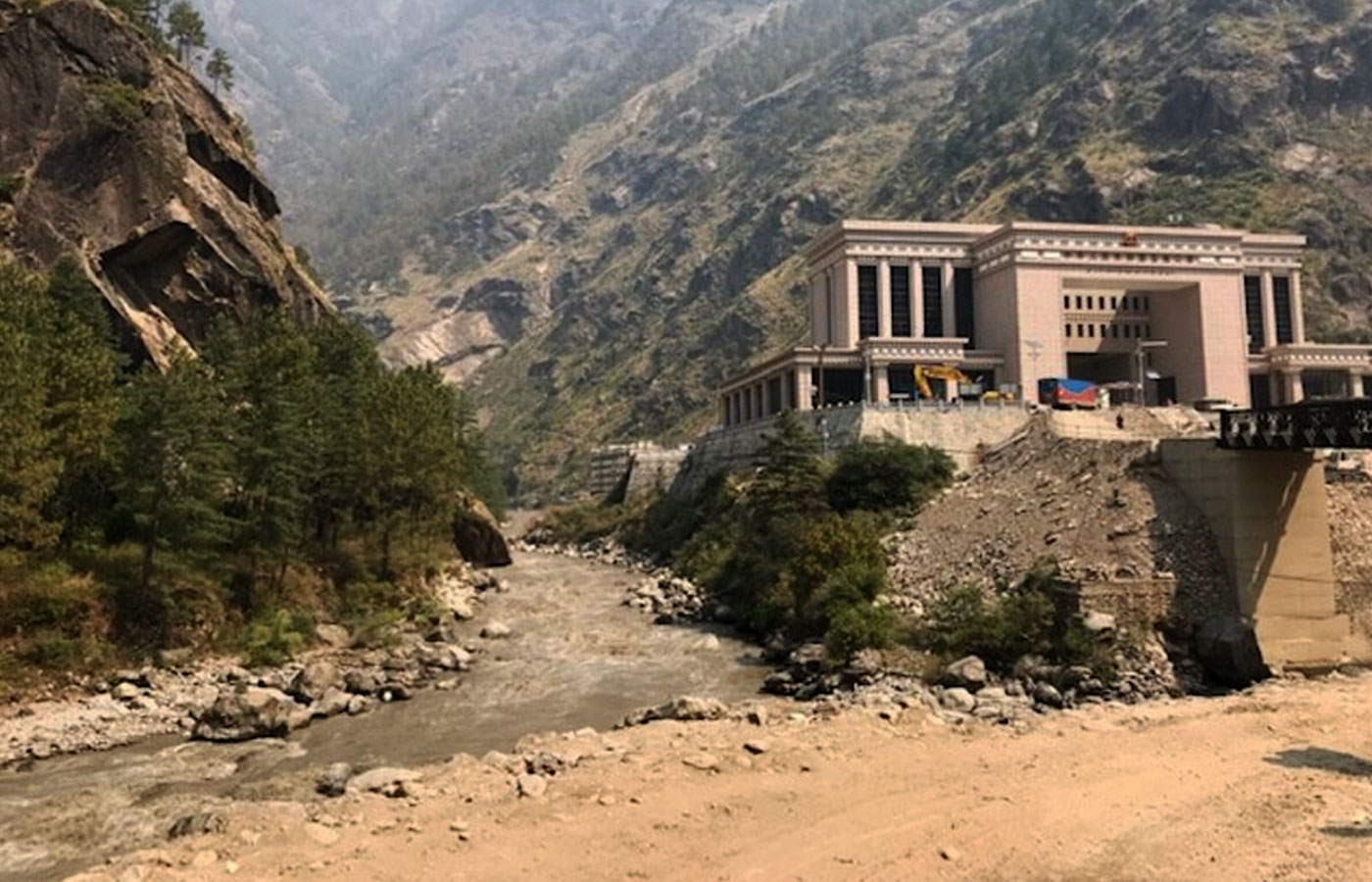
Chinese/ Tibetan border building Photo: TRANS HIMALAYAN ADVENTURE

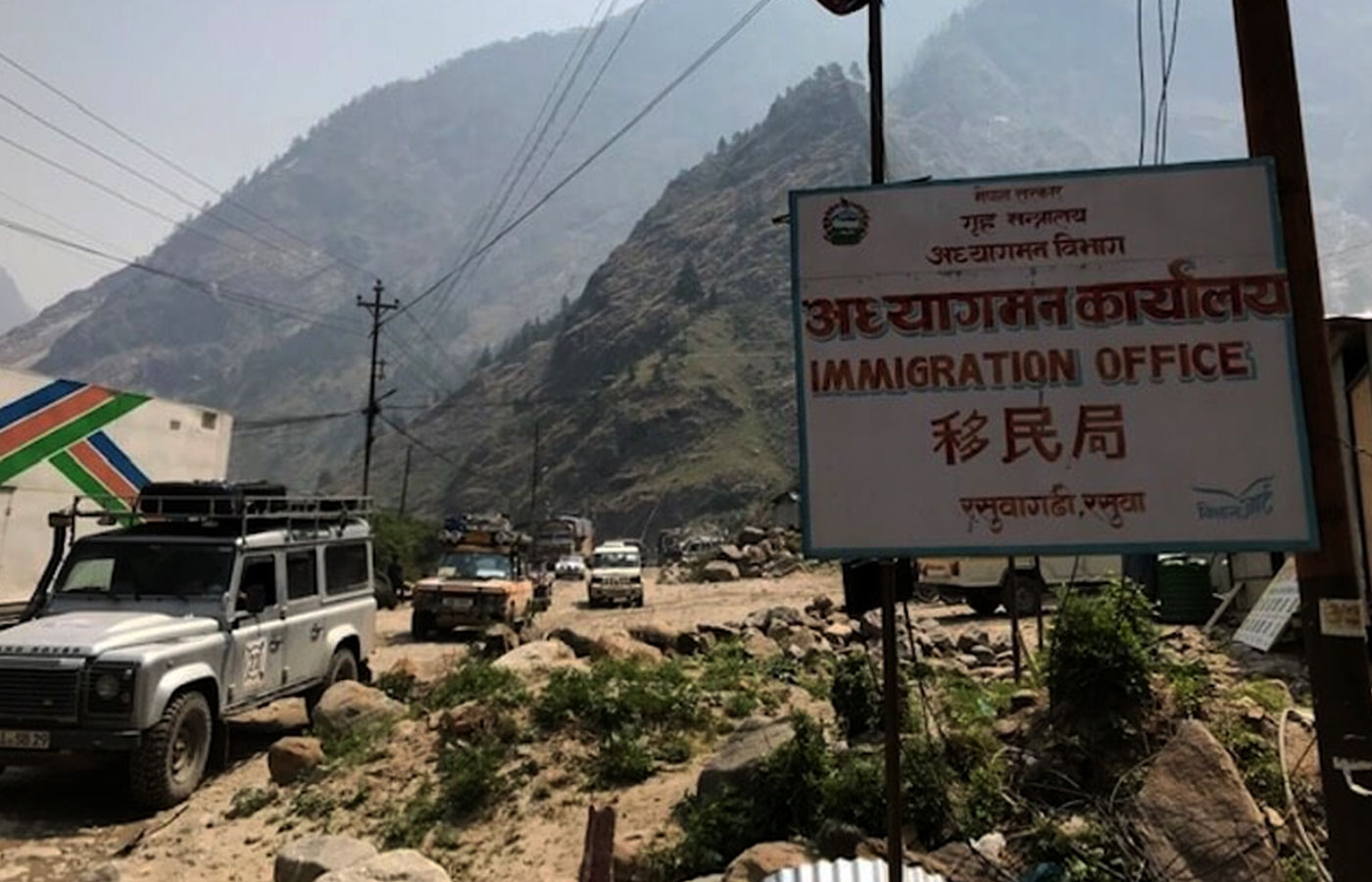
But crossing the Himalaya, descending 1,000m in one hour through serpentine roads, negotiating a tin-shed immigration post on the Nepal side, and then bumping along the dusty track from Rasuwa to Kathmandu tested the stamina of the drivers and their 60 plus cars. The drivers said the contrast between China and Nepal could not have been more stark.

Photo: TRANS HIMALAYAN ADVENTURE

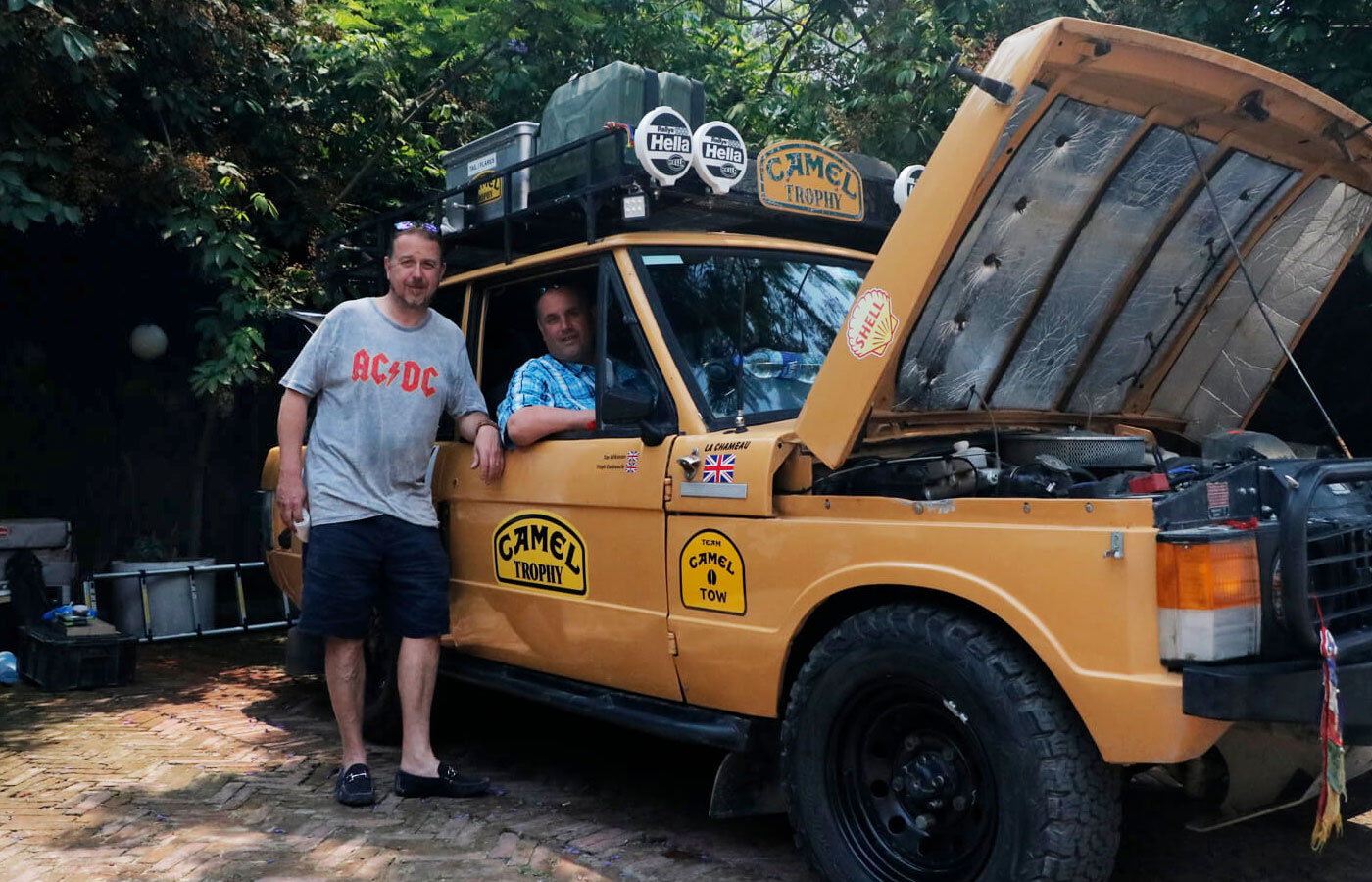
“It was the worst road I have ever driven in, actually there was no road. But it was an adventure of a lifetime,” said Steph Duckworth, who drove a classic 1979 Range Rover 2-door named Camel.

Via Jilong Pass on the Kerung side, across the border and on to Kathmandu was only 181km, but it took the 15 cars 18 hours along the earthquake-damaged road. Two of the cars lost their headlights and had to negotiate the dark and dusty tracks with handheld torches as the exhausted drivers and cars wheeled into the Yak & Yeti Hotel at midnight on 9 May.

Trans-Himalayan Adventure 2019 was organised by Rally Round, which sets up challenging vintage and classic car events, including the trans-continental Peking to Paris Rally. But even by its gruelling standards across the most challenging terrain on Earth, the non-competitive China-Nepal-India rally was one of the most difficult so far for drivers and cars alike.

Crews were driving a 1925 Rolls-Royces Silver Ghost, and a 25/30 1937 Coupe named Buttercup. A 1925 Bentley Super Sports and a 1927 Nash Roadster were some of the other elderly cars. Senior vehicles included the Mk2 Jaguar, Bentley Super Sports, a 1952 Studebaker Champion, a 1965 Porsche 911 Coupe and a classic 1970 Mercedes 280SL Roadster.

The mud-caked and dust-covered cars all seemed to have taken the arduous journey from the Tibetan Plateau to Kathmandu surprisingly well. This week six of the cars crossed into India and on to Varanasi, after driving through Pokhara.

Many participants were familiar with the challenge, having taken part in the Peking to Paris rally. On Day 3 out of Chengdu, from Batang to Zuogong, the classic 1970 Mercedes 280SL Roadster of ex-Gurkha officer Richard Cunningham suffered from fuel vaporisation 22 times before being fixed by the sweeps. At the end of the day, an unfazed Cunningham wrote in his blog: “That was a hell of a drive. What a great day. Adventure driving at its best!”

Said Cunningham: “The amazing thing about driving through Nepal was that although the roads are rough, the people are great, the kids came offering water, and you drive through some stunning scenery few people get to see.”

Many villagers took selfies in front of the exotic cars, and a couple of enthusiastic villagers in China even cleaned the caked mudguard of a vintage Bentley Super Sports. ‘They would have given the whole car a wash if time had allowed,’ wrote a driver in the rally blog.

Tim Wilkinson (left) and Steph Duckworth (right) pose with their trusty classic 1979 Range Rover in Kathmandu after a challenging ride across the Himalaya.

Liz Wenman, founder and director of Rally Round, said the Trans Himalayan Adventure took two years to plan and map. “It is not about competition, it is about the journey, about companionship and shared passion,” she expressed. “Many of the participants are above 50 years of age, they kept in perfect health, and enjoyed every moment of it.”

Continue reading

Hotel Yak & Yeti Plants Trees

Hotel Yak & Yeti Plants Trees


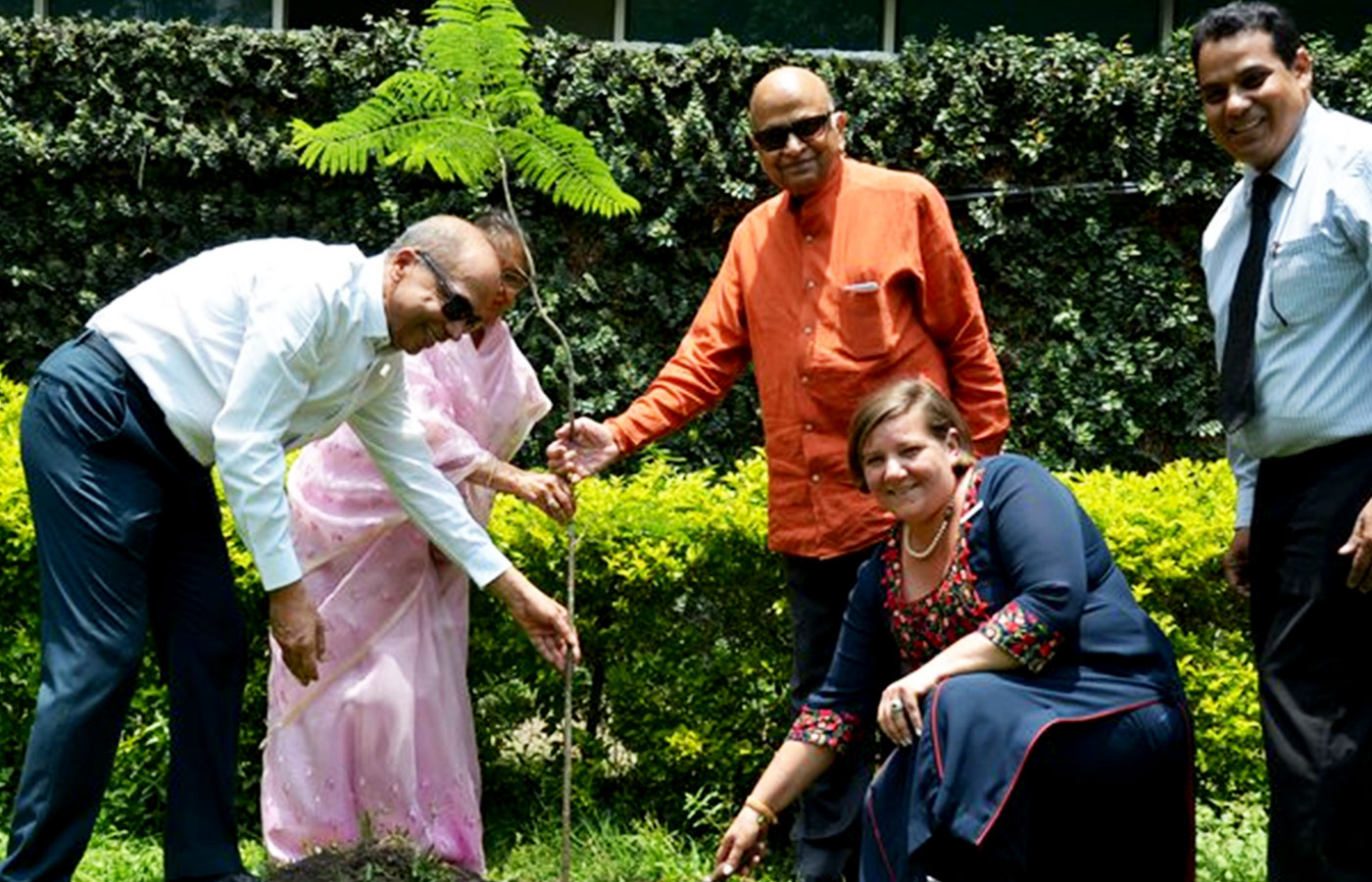
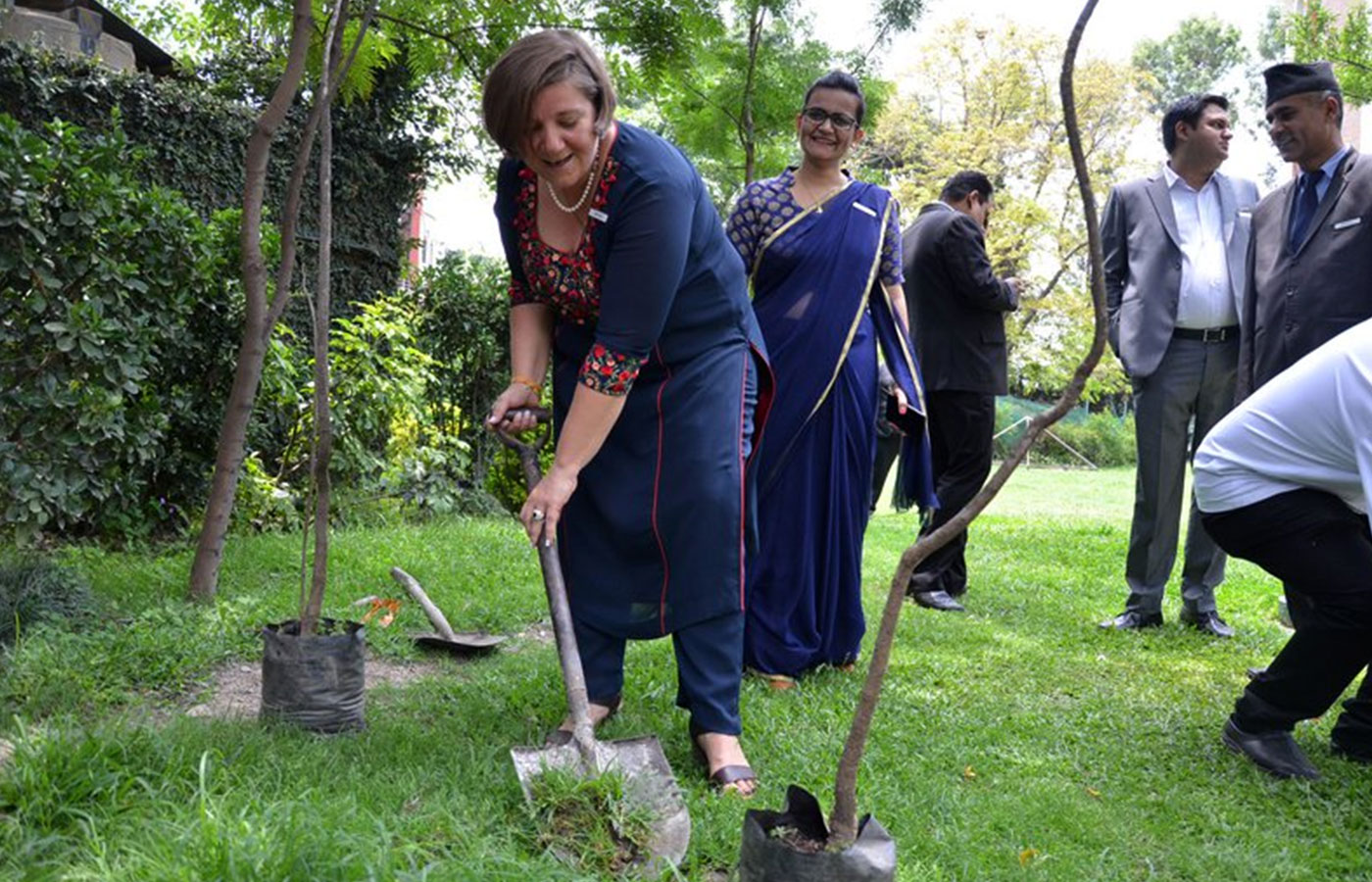
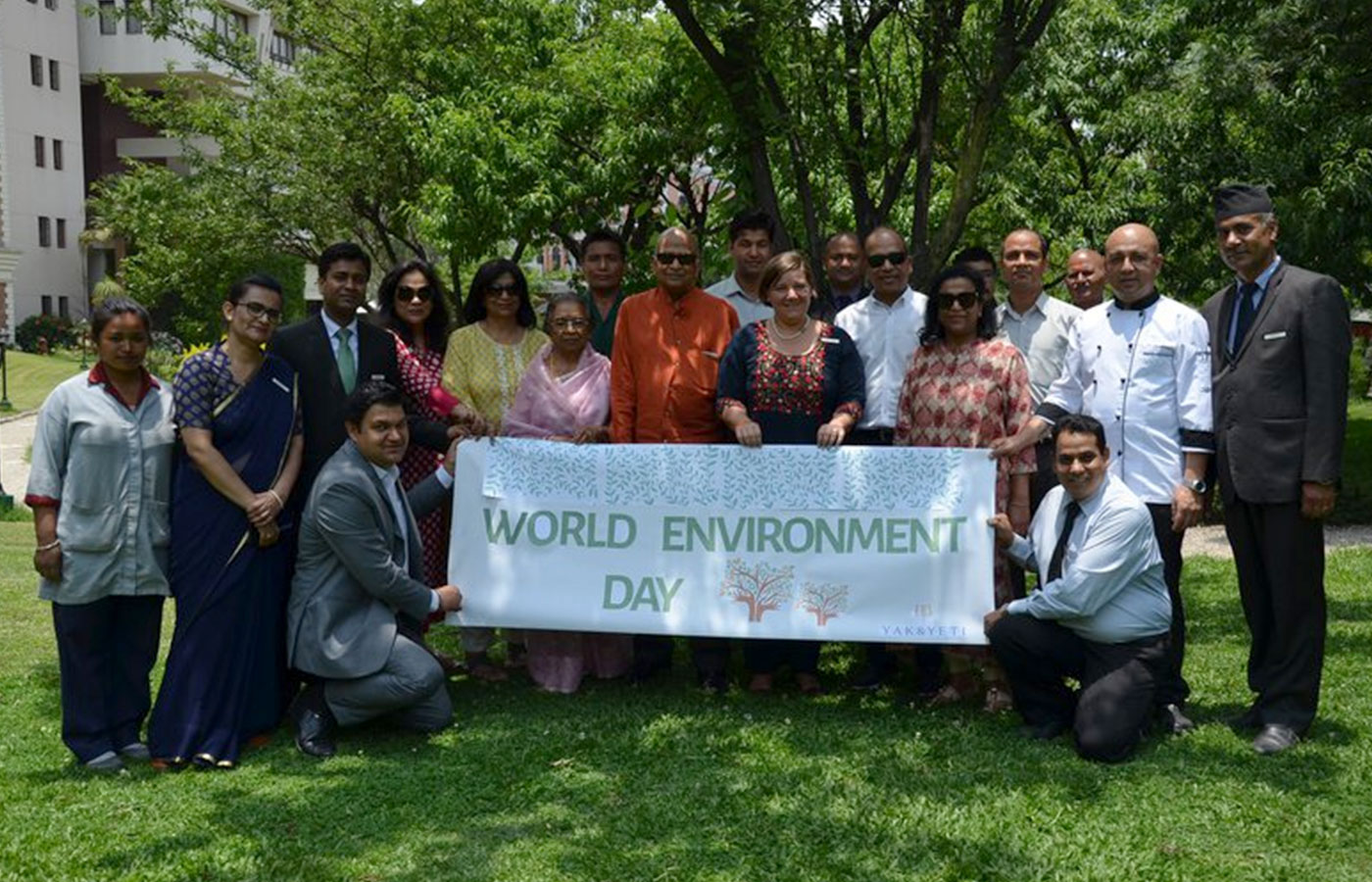
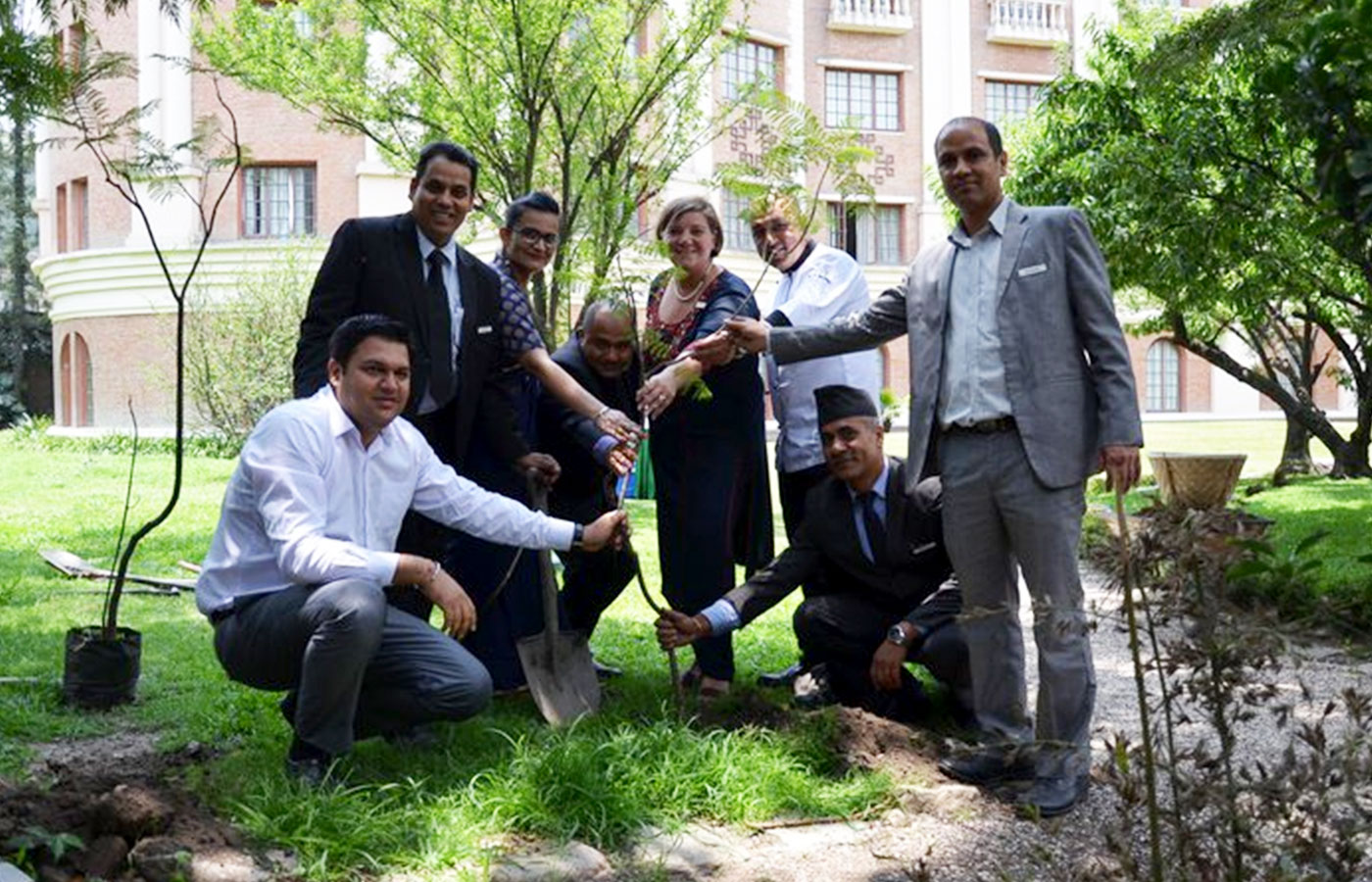
Hotel Yak & Yeti planned a plantation program with its chairman Radhe Shyam Saraf along with his wife, his son, Executive Director, Arun Saraf and his three sisters. The plantation was done by the Saraf family and the hotel team together, with full of hopes for a sturdy germination and a better environment.

The hotel organized an event in honor of Environment Day 2019. World Environment Day is the United Nations day for encouraging worldwide awareness and action to protect our environment. Since it began in 1974, the event has grown to become a global platform for public outreach that is widely celebrated in over 100 countries.

As per the theme of this year’s environment day “Air Pollution” we found it to be ideal to plant trees that are the main and the most natural way to resolve air pollution.

Continue reading